

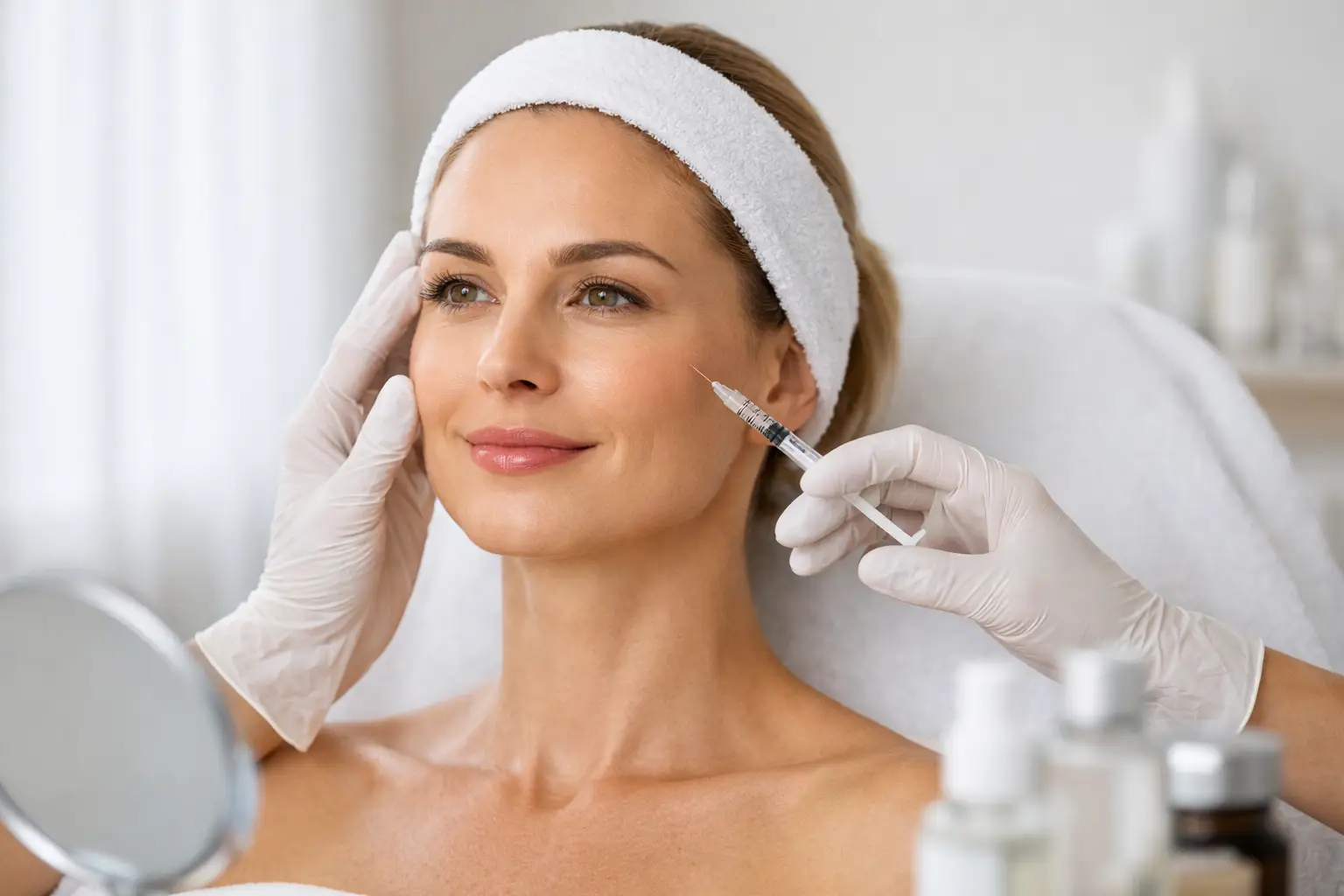
Preparing for dermal fillers starts with informed choices. Learn how to plan your appointment, protect your results, and recognize when to reschedule safely.
A polished result begins before the first injection. Preparing for dermal fillers is not about following a rigid checklist or chasing a certain look. It is about giving your practitioner a clear picture of your health, your facial goals, and the moments in your calendar that matter most. When preparation is thoughtful, treatment can be tailored to enhance your features with balance, precision, and confidence.
Dermal fillers can restore soft volume, refine facial contours, support areas affected by age-related volume loss, and create a more refreshed appearance without surgery. The best results are rarely about looking noticeably “done.” They are about looking like yourself, well-rested and beautifully considered.
Start With a Personalized Consultation
A consultation is where a premium filler experience truly begins. Rather than arriving with a single request, such as “I want more cheek volume” or “I want to erase these lines,” discuss what you notice when you look in the mirror and what you would like to feel more confident about.
A qualified injector will assess your facial proportions, skin quality, movement, existing volume, and the way different areas of the face relate to one another. For example, concerns around under-eye shadows may be influenced by cheek support, skin texture, pigmentation, or anatomy. Treating only the area that concerns you most is not always the most elegant approach.
Bring reference images only if they help communicate an overall aesthetic, not as a blueprint for another person’s face. Bone structure, tissue quality, and facial balance differ from person to person. A bespoke plan should respect your natural features and may recommend a conservative first session, followed by review and refinement if appropriate.
This is also the time to ask practical questions. Find out which product is being considered, what area it is designed to treat, how long results may last, what downtime to expect, and what the plan would be if you needed an adjustment. A confident practitioner will welcome clear questions and never pressure you into treating more areas than you are comfortable with.
Share Your Full Medical History
Safety depends on detail. Be open about medical conditions, allergies, previous cosmetic treatments, current medications, and supplements. Even information that seems unrelated can affect whether treatment should proceed that day or be adjusted.
Tell your practitioner if you have previously had fillers, including treatments performed elsewhere. If possible, share the product name, the area treated, and the approximate date. This is especially relevant if you have had permanent or long-lasting filler, experienced unexpected swelling, developed nodules, or were dissatisfied with a previous result.
You should also mention a history of cold sores, particularly if treatment is planned around the lips. Needle-based procedures may trigger an outbreak in some people, and your clinician may recommend preventive measures when suitable. Active skin infections, inflamed acne, rashes, open wounds, or dental infections should be disclosed as well. In these situations, postponing can be the most responsible choice.
Pregnancy and breastfeeding are generally reasons to defer elective filler treatments. If you are uncertain about any aspect of your health history, ask before booking rather than assuming it is not relevant.
Preparing for Dermal Fillers in the Days Before
Bruising and swelling are common, temporary possibilities with injectable treatments. While no preparation can remove that possibility entirely, a few sensible measures may help reduce avoidable disruption.
In the week before your appointment, your practitioner may advise you to avoid nonessential supplements or products that can increase bruising tendency, such as fish oil, vitamin E, ginkgo, ginseng, garlic supplements, and certain herbal blends. Do not stop prescribed medications, including blood thinners, without instructions from the clinician who prescribed them. Your safety always takes priority over a cosmetic appointment.
Avoid alcohol for at least 24 hours before treatment, unless your provider gives you different guidance. Alcohol can contribute to dehydration and may increase the likelihood of bruising for some patients. Arrive well hydrated, have a normal meal beforehand, and avoid scheduling your session when you are run-down, feverish, or recovering from an illness.
It is also wise to pause new skincare experiments before your appointment. Strong exfoliants, aggressive at-home peels, or treatments that leave the skin irritated can make the area more sensitive. Keep your routine calm and consistent in the days leading up to your visit.
Plan Around Social Events and Travel
Dermal filler is often described as having minimal downtime, but minimal does not mean nonexistent. Mild swelling, tenderness, redness, and small bruises can occur. Lip filler, under-eye filler, and treatments in highly mobile areas may have more visible short-term swelling than other areas.
For that reason, avoid booking your first filler appointment the day before a wedding, major presentation, holiday, photoshoot, or other occasion where you want to look completely settled. Allow at least two weeks before a major event whenever possible. Most people look presentable much sooner, but giving yourself that window creates room for normal healing and a follow-up review if needed.
Travel plans deserve similar consideration. If you are flying soon after treatment, discuss timing with your injector. The concern is not simply air travel itself, but managing swelling, being away from your provider, and ensuring you can access appropriate care if you have questions. A relaxed schedule is part of a luxury treatment experience.
Arrive With a Clean, Comfortable Plan
On the day of treatment, come with clean skin if possible. Light makeup is not usually a problem, but the treatment area will need to be cleansed thoroughly. Wear comfortable clothing and avoid arriving rushed from an intense workout, a long day in the sun, or a stressful commitment.
Eat beforehand unless you have been given specific instructions otherwise. A low blood sugar level can make some people feel lightheaded during injectable treatments. If you are anxious around needles, say so. There is no benefit to appearing unbothered. Your practitioner can explain each step, use topical numbing when appropriate, and make the pace feel more manageable.
Plan to leave your appointment without needing to rush directly into a demanding social or professional setting. Even when treatment is quick, allowing yourself a quiet buffer afterward helps you assess how you feel and follow the recommended aftercare with ease.
Know What Natural-Looking Results Require
The most sophisticated filler results are often built gradually. Filling every line or adding substantial volume in one visit can create heaviness, especially when the face is not assessed as a whole. Strategic placement, suitable product selection, and restraint can make a meaningful difference.
Your injector may recommend treating structural support first, then reassessing finer concerns later. This approach can be especially valuable in the cheeks, chin, jawline, temples, and lower face, where volume changes can influence several areas at once. It can also help preserve a refined, natural expression rather than creating an overfilled appearance.
Be candid about your expectations. Dermal fillers can improve shadows, folds, contour, and volume, but they do not replace skin tightening, laser resurfacing, or surgery when those are more appropriate for the concern. Sometimes the most effective plan combines treatments over time, such as skin-quality treatments alongside carefully placed filler.
Be Ready to Follow Aftercare Guidance
Your provider will give you instructions specific to the product and areas treated. In general, you may be asked to avoid strenuous exercise, alcohol, excessive heat, saunas, and steam rooms for a short period. Avoid pressing, massaging, or manipulating the treated area unless your injector specifically tells you to do so.
Use a cool compress gently if you experience swelling, but do not apply hard pressure. Sleep with your head slightly elevated if recommended, particularly after lip or mid-face treatment. Makeup can often be worn later that day, depending on your practitioner’s instructions, but apply it with clean hands and a light touch.
You should also know the difference between expected healing and a concern that needs prompt attention. Mild tenderness, asymmetrical early swelling, and small bruises can be normal. However, severe or increasing pain, unusual skin discoloration, blanching, changes in vision, or any symptom that feels alarming requires immediate contact with your provider or urgent medical care. Choosing a medically supervised clinic means you have professional guidance before, during, and after your treatment.
Choose Expertise Over Convenience
A filler appointment should never be treated as a quick errand. Your face deserves a practitioner with appropriate qualifications, detailed anatomical knowledge, a strong safety protocol, and an aesthetic eye trained in proportion. At Fit4You Polyclinic, treatment planning is designed around your individual features, goals, and comfort, with the aim of creating visible yet beautifully natural enhancement.
The right appointment is one you can approach without rushing, hiding information, or hoping for a dramatic overnight change. Give yourself the time to choose a trusted practitioner, speak honestly about your goals, and let a thoughtful plan guide the result you see in the mirror.
Interested in this treatment?
Book a free consultation with our specialists at Fit4You Polyclinic Dubai.
Book Free Consultation