

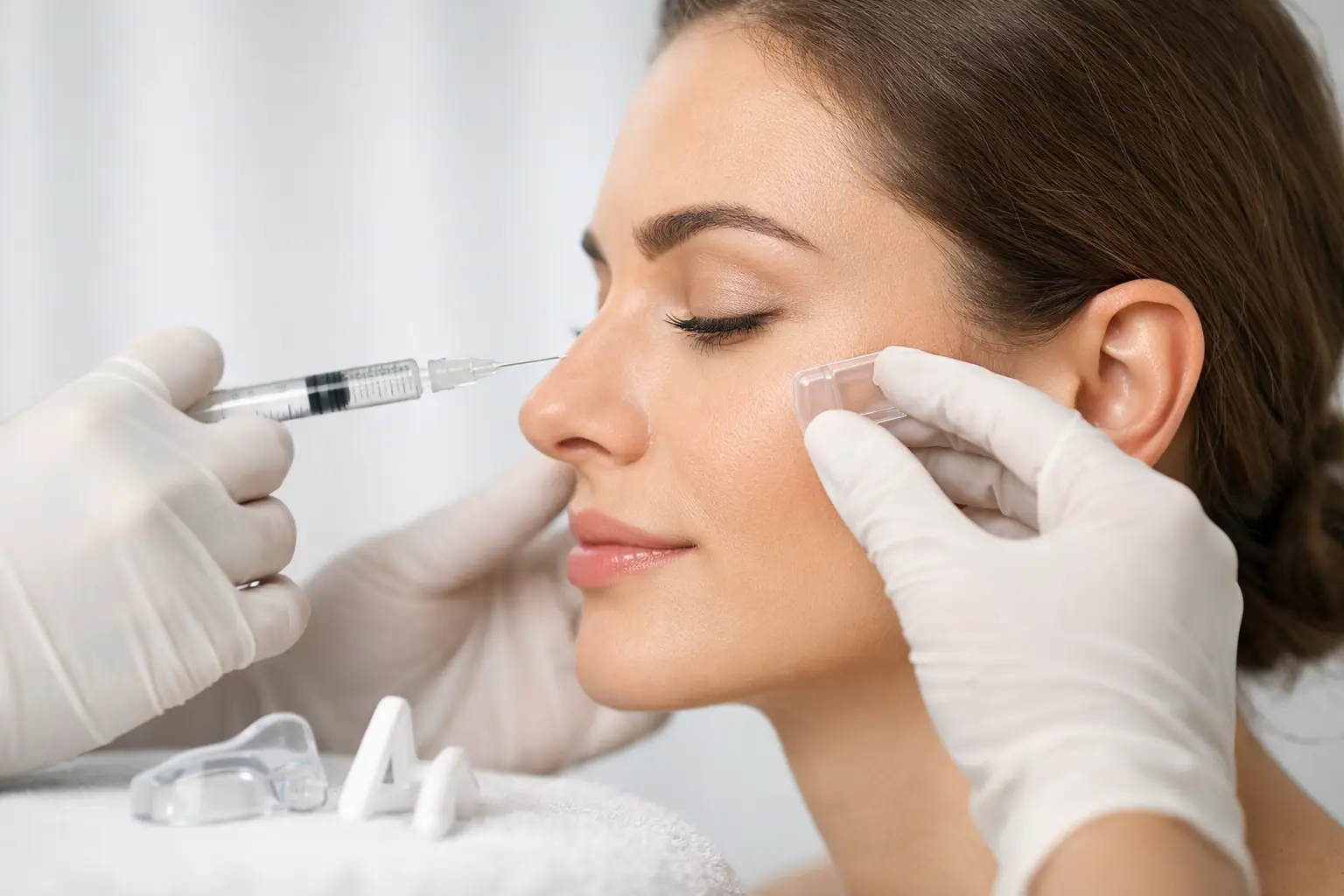
Compare nose reshaping options, from dermal filler refinement to surgical rhinoplasty, and learn which approach suits your profile, goals, and downtime.
A small change to the nose can shift the balance of the entire face. For some people, the goal is to smooth a profile bump before an event. For others, it is a more permanent change to the bridge, tip, or breathing function. Understanding today’s nose reshaping options starts with one essential distinction: some treatments camouflage and refine, while others physically alter nasal structure.
At a premium aesthetic clinic, the most appropriate choice should never be based on a trend or a single before-and-after image. It should reflect your anatomy, skin thickness, proportions, medical history, desired level of change, and comfort with downtime. The right plan is personal, subtle, and designed to preserve what makes your face yours.
Nose Reshaping Options: Surgical and Non-Surgical
The two main routes are non-surgical rhinoplasty with injectable dermal fillers and surgical rhinoplasty. They serve different purposes, have different limitations, and require very different commitments.
Non-surgical treatment can create the appearance of a straighter bridge, soften a shallow indentation, improve symmetry, or add gentle definition to selected areas. It does not make the nose smaller, remove a hump, narrow wide nostrils, or correct internal structural concerns. Surgical rhinoplasty, on the other hand, can reshape cartilage and bone for more significant or permanent changes, including functional improvements when appropriate.
There is no universally better choice. The most elegant result is usually the one that respects your natural facial harmony rather than pursuing an overly sharp or dramatically altered profile.
Non-Surgical Rhinoplasty With Dermal Fillers
Often called a liquid nose job, non-surgical rhinoplasty uses carefully placed hyaluronic acid filler to alter how light moves across the nose. By adding volume above and below a dorsal hump, for example, a skilled injector may create the visual impression of a smoother, straighter bridge. Small adjustments can also improve the appearance of mild asymmetry or create more definition at the nasal tip in selected candidates.
The appeal is clear: treatment is typically completed in one appointment, results are visible immediately, and most clients return to their usual routines quickly. Hyaluronic acid fillers can also be dissolved if needed, offering a degree of reversibility that surgery cannot provide.
But this is not a casual treatment. The nose is a high-risk vascular area with complex blood supply. Improper injection can lead to serious complications, including vascular occlusion and tissue damage, and in rare cases, visual complications. It should only be performed by a highly trained, medically qualified injector who understands nasal anatomy, uses appropriate techniques, and has emergency protocols in place.
Results are temporary. Depending on the filler used, your metabolism, and the treatment area, refinement may last roughly 6 to 18 months. Maintenance appointments are usually needed to preserve the effect.
Surgical Rhinoplasty
Rhinoplasty is a surgical procedure that reshapes the bone, cartilage, skin envelope, or a combination of these structures. It is the option to consider when your goals involve reducing the size of the nose, narrowing the bridge, refining a bulbous tip, correcting a pronounced hump, adjusting nostril shape, or improving breathing related to structural concerns.
Because surgery changes the underlying framework, it offers a wider range of correction than filler. It is also intended to be permanent, although the nose continues to settle and mature after surgery. The trade-off is recovery. Swelling, bruising, and a period of social downtime are expected, while final refinement can take many months and sometimes up to a year, particularly around the tip.
A thoughtful surgical consultation should include a discussion of realistic outcomes, facial proportions, prior injuries or surgery, skin quality, and breathing. Computer imaging can support communication, but it is not a guarantee of a final result. Every nose heals differently.
Which Treatment Fits Your Goal?
If you want to make a small bridge irregularity less noticeable, create a smoother side profile, or trial a subtle enhancement without surgery, filler may be appropriate. It can be especially useful for clients who want a polished, balanced profile with minimal interruption to a busy schedule.
If you want a smaller nose, a narrower bridge, meaningful tip reshaping, or changes to the nostrils, filler is unlikely to deliver the answer. Adding volume cannot reduce nasal size. In fact, attempting to use excessive filler to camouflage a large hump can make the nose appear larger from some angles. This is where an honest recommendation matters more than a quick procedure.
If breathing is part of your concern, seek assessment from a qualified facial plastic surgeon or ENT specialist. A cosmetic injectable treatment does not correct a deviated septum or internal obstruction.
What Happens During a Non-Surgical Nose Consultation?
The best outcomes begin before treatment. Your provider should assess the nose from the front, side, and three-quarter views, then consider its relationship to the forehead, lips, chin, and overall facial structure. A nose that looks ideal in isolation may not be the most balanced choice for your face.
You should be asked about previous nose surgery, trauma, allergies, autoimmune conditions, medications, and any history of filler complications. The provider should also explain where filler can help, where it cannot, and why a conservative approach is usually safest and most refined.
For appropriate candidates, treatment may involve topical numbing and precise filler placement in small amounts. You may be advised to avoid pressure on the nose, strenuous exercise, excessive heat, and certain makeup applications for a short period. Mild swelling, tenderness, or redness can occur, though these effects are generally temporary.
Never feel pressured to proceed immediately. A quality consultation gives you clarity, not urgency.
The Beauty of a Conservative Result
The most sophisticated aesthetic work rarely announces itself. Rather than creating an entirely different nose, a refined treatment plan can make the face look more harmonious, rested, and proportionate. Friends may notice that you look especially polished without identifying exactly what changed.
This is particularly relevant for non-surgical rhinoplasty, where overfilling can compromise both aesthetics and safety. A measured approach leaves room to assess the result after swelling settles and, if appropriate, make a small adjustment later. Precision is more valuable than volume.
At Fit4You Polyclinic, facial aesthetic planning is centered on personalized enhancement, medically guided treatment, and results that look naturally aligned with your features. For clients considering filler-based nose refinement, the consultation is the moment to establish whether the treatment is truly suitable, rather than simply possible.
Questions to Ask Before Choosing a Provider
Your decision should be driven by credentials and clinical standards, not only by social media results. Ask who will perform the procedure, how often they treat the nose, what product they use, and what their protocol is if a vascular complication is suspected. You should also ask to see relevant, unedited examples of results on clients with concerns similar to yours.
For surgery, ask about the surgeon’s experience with your specific goal, their approach to functional concerns, expected recovery milestones, and revision policy. It is reasonable to seek more than one opinion when considering a permanent procedure.
Be cautious of dramatic discounts, rushed consultations, or promises of a perfectly symmetrical nose. Human faces are naturally asymmetric, and responsible aesthetic medicine works with that reality rather than making unrealistic guarantees.
Timing Your Treatment Around Life Events
For an important occasion, a non-surgical treatment should not be booked at the last minute. While many people have little downtime, swelling or bruising can still occur. Scheduling at least a few weeks ahead gives you time for the result to settle and for any conservative refinement, if recommended.
Surgical rhinoplasty needs far more planning. Even after visible bruising fades, residual swelling can remain. If you are preparing for a wedding, major public appearance, or extended travel, discuss your timeline openly with your surgeon and allow a generous recovery window.
The most rewarding choice is not necessarily the fastest one. It is the one that gives you confidence when you look in the mirror, with a result that feels considered, safe, and unmistakably your own.
Interested in this treatment?
Book a free consultation with our specialists at Fit4You Polyclinic Dubai.
Book Free Consultation