

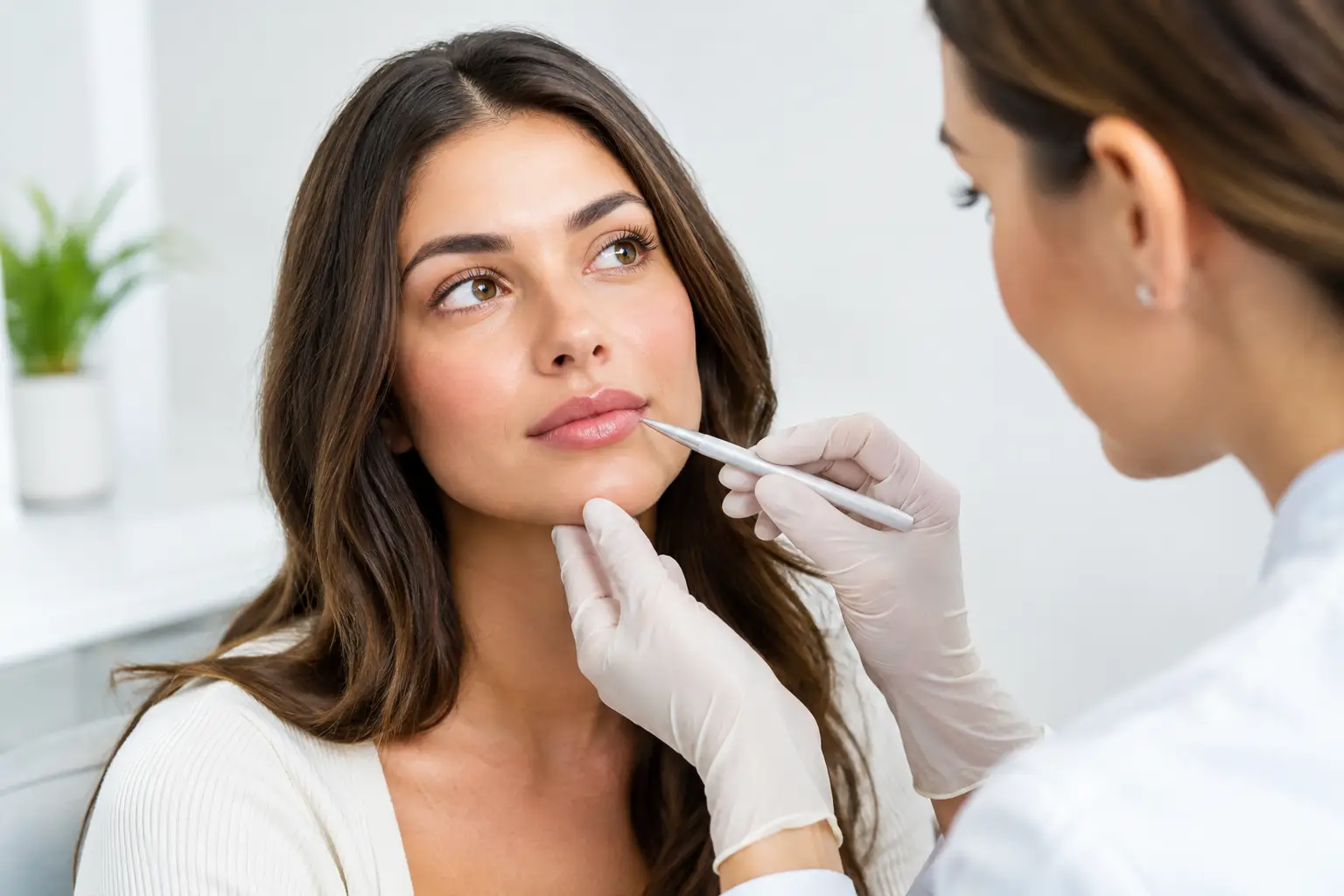
Considering lip filler suitability? Learn who may benefit, when to wait, and how a tailored consultation supports balanced, natural-looking results safely.
A beautifully refined lip enhancement is rarely about making lips dramatically bigger. It is about restoring proportion, defining a soft cupid’s bow, correcting subtle asymmetry, or bringing hydration and shape back to lips that have lost volume over time. Lip filler suitability is therefore not decided by a trend, a favorite celebrity look, or the amount of product requested. It begins with your anatomy, your health, and a clear conversation about what will look naturally balanced on your face.
For clients who value polished, visible results without surgery, lip fillers can be an elegant option. Yet the most impressive outcomes often come from knowing when treatment is appropriate, when a gentler approach is wiser, and when waiting protects both your comfort and result.
Lip Filler Suitability Starts With Your Anatomy
Lip filler is commonly made with hyaluronic acid, a substance that attracts water and can add soft, flexible volume when placed by a qualified medical injector. It can enhance the body of the lip, improve border definition, support downturned corners, and soften fine lines around the mouth. But every lip has its own starting point.
A suitable candidate may have naturally thin lips, age-related volume loss, uneven upper and lower lip proportions, mild asymmetry, or a desire for more definition without changing their overall appearance. Healthy lip tissue, realistic expectations, and sufficient room between the nose and upper lip can all support a more harmonious result.
The face matters as much as the lips. A skilled assessment considers facial width, chin projection, cheek structure, dental support, skin quality, and how your lips move when you smile or speak. Adding volume without considering those details can create an overfilled appearance, even when the amount of filler is relatively small.
This is why “more” is not a treatment plan. For some people, a small, precisely placed amount gives the fresh, hydrated refinement they want. For others, staged appointments are the safer choice, allowing the tissue to settle before deciding whether additional correction is needed.
The right goal is enhancement, not imitation
Reference photos can help communicate what you like, but another person’s lips cannot be copied onto a different facial structure. The most sophisticated result preserves your expressions and looks at home on your face. If a requested shape conflicts with your natural anatomy, an experienced injector should explain what is achievable and offer an alternative that still feels aligned with your aesthetic goals.
Who May Need to Postpone Lip Fillers?
Being interested in lip fillers does not always mean this is the right moment for treatment. A responsible consultation should identify temporary reasons to wait as well as situations that require medical clearance or a different approach.
Treatment is generally postponed if you have an active cold sore, lip infection, rash, open wound, or significant inflammation around the mouth. Needle entry can aggravate an existing outbreak or increase the chance of complications. Clients with a history of cold sores should disclose it during consultation, as preventive antiviral medication may be recommended by the treating clinician.
Pregnancy and breastfeeding are also times when elective injectable treatments are typically deferred. There is limited safety research for cosmetic fillers in these circumstances, so waiting is the more cautious choice. If you are feeling unwell, have recently had dental work, or are scheduled for a dental procedure soon, timing should be discussed with your provider as well. Dental treatment can introduce bacteria and may increase inflammation around the lips.
Certain medical conditions, medications, allergies, previous filler experiences, autoimmune concerns, and a history of facial swelling can affect the treatment plan. This does not automatically rule out filler, but it does make an honest medical history essential. Never minimize prior reactions or assume a filler in one area means every injectable is suitable for you.
People taking blood-thinning medication should not stop prescribed medication for a cosmetic procedure without guidance from the prescribing physician. Your injector can explain the increased bruising risk and advise on appropriate timing, but your wider health always takes priority.
Expectations Are Part of Lip Filler Suitability
The best candidates understand both the possibilities and the limits of treatment. Hyaluronic acid lip filler can create meaningful refinement, but it cannot permanently change the underlying structure of the mouth, erase every vertical line, or correct a concern caused primarily by teeth, jaw position, or significant skin laxity.
Results are visible immediately, though swelling can temporarily make the lips appear fuller or uneven. The settled appearance develops over the following days to weeks. Mild tenderness, redness, and bruising are common short-term effects. Planning your appointment well before a major event gives your lips time to recover and allows room for a review, if needed.
Longevity varies. Lip fillers often last several months, but metabolism, product selection, amount used, movement, and individual biology all play a role. Maintenance should be based on how your lips look and feel, not a fixed calendar date. Repeatedly adding filler before the existing product has settled or naturally diminished can compromise shape over time.
A person may not be an ideal candidate at that moment if they feel pressured to match someone else’s appearance, expect perfection, or want a dramatic change despite anatomy that cannot support it safely. A thoughtful provider will never make you feel rushed into treatment. Sometimes the most confidence-building recommendation is a conservative plan, a delayed appointment, or no filler at all.
What a High-Quality Consultation Should Cover
A premium lip filler consultation should feel personal, precise, and medically grounded. It is where aesthetic ambition meets clinical judgment.
Your clinician should ask about your medical history, allergies, medications, previous cosmetic treatments, cold sore history, and desired outcome. They should assess your lips at rest and in motion, review facial balance, and explain which areas may benefit from support. You should also be told what product is being used, why it is appropriate for the lips, what the expected recovery looks like, and how potential complications are managed.
Ask to discuss the trade-offs openly. A sharper border may be beautiful on one lip shape but can look less natural on another. Extra volume can improve balance for some clients, while for others it may reduce the elegant definition they value. If subtle hydration and smoothing are your priority, a lighter treatment may offer more satisfaction than a highly projected result.
At Fit4You Polyclinic, personalized treatment planning is designed around this level of assessment, pairing aesthetic vision with medically supervised care. The goal is not a generic filler look. It is a result that appears refined in photographs, flattering in conversation, and unmistakably your own.
Choosing Safety Alongside Beauty
Lip filler is a medical aesthetic treatment, not a beauty counter service. Although serious complications are uncommon, they require immediate recognition and expert care. Vascular occlusion, where filler affects blood supply, is rare but urgent. Severe or escalating pain, unusual blanching or dusky discoloration, cool skin, visual symptoms, or worsening mottling after treatment require prompt medical attention.
Choosing a qualified, licensed medical professional with a clear complication protocol is part of determining suitability. It also affects the quality of the outcome. Technique, product knowledge, conservative dosing, sterile practice, and the ability to dissolve hyaluronic acid filler when clinically indicated are not luxury extras. They are central to responsible care.
Before your appointment, follow the clinic’s pre-treatment guidance. Depending on your health history, this may include avoiding alcohol and certain nonessential supplements that can increase bruising risk. After treatment, avoid pressing or massaging the lips unless specifically instructed, postpone strenuous heat exposure, and follow all aftercare advice. Small decisions in the first days can help your lips settle comfortably.
Questions Worth Asking Before You Book
Can lip filler look natural if I have thin lips?
Yes. Thin lips can often be enhanced beautifully, but the approach may be gradual. Building shape over more than one appointment can be safer and more natural-looking than trying to create substantial volume in a single session.
Is lip filler suitable if I have asymmetry?
Mild asymmetry is often one of the most rewarding reasons to consider filler. Complete symmetry is neither realistic nor always desirable, but strategic placement can create a more balanced appearance while preserving natural movement.
Can I get lip filler before a wedding or event?
It is better to plan well ahead. Swelling and bruising can occur, and your final result needs time to settle. Booking several weeks in advance provides a more relaxed experience and avoids last-minute pressure.
The right lip enhancement should feel considered rather than obvious. Give yourself the space to ask questions, share your goals honestly, and choose a clinician who treats your facial balance and wellbeing with the same care as the final result.
Interested in this treatment?
Book a free consultation with our specialists at Fit4You Polyclinic Dubai.
Book Free Consultation