
Considering laser vein removal? Learn how treatment works, what it can treat, recovery expectations, risks, and when a personalized assessment matters most
Visible leg veins can make even the most polished wardrobe feel like a compromise. Whether they appear as fine red vessels around the ankles, blue-purple lines behind the knees, or small facial veins that never quite conceal under makeup, laser vein removal offers a refined, non-surgical way to address them with minimal interruption to daily life.
At a premium aesthetic clinic, treatment should never begin with a device setting. It begins with understanding the vein itself: its size, color, location, underlying cause, and whether laser treatment is the most appropriate option. The goal is not simply to fade what is visible, but to create a treatment plan that supports clearer-looking skin while respecting your safety and natural results.
What Laser Vein Removal Can Treat
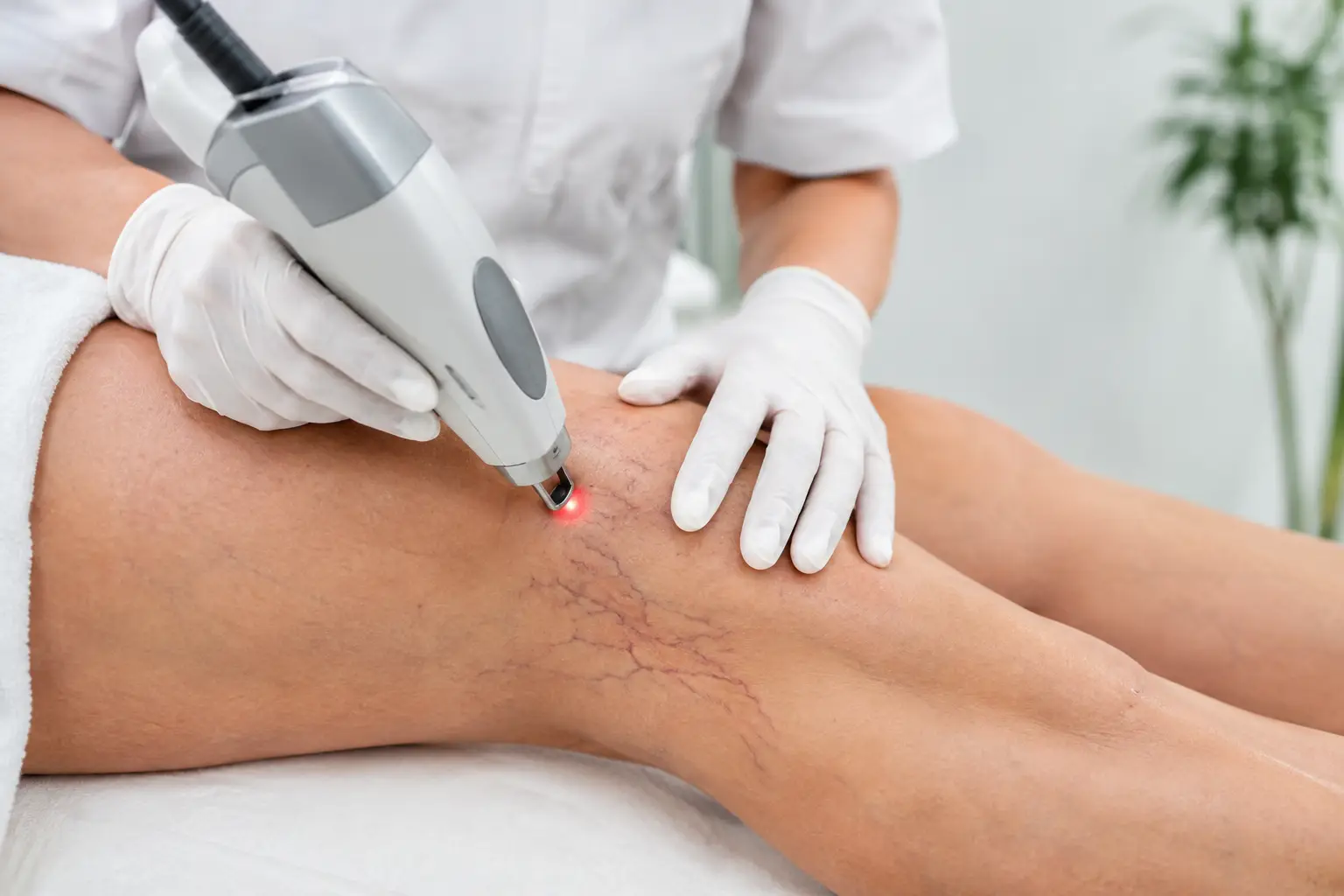
Laser treatments are most effective for small, superficial blood vessels close to the skin's surface. These often include spider veins on the legs, fine broken capillaries on the face, small red vascular spots, and certain blue or purple reticular veins. The laser directs controlled light energy into the vessel, where it is absorbed by the blood. This creates heat within the vein wall, causing the vessel to collapse and allowing the body to gradually clear it over time.
The result is progressive, not instant. Some vessels may look darker or more pronounced immediately after treatment before they begin to fade. Others lighten gradually across several weeks as the body processes the treated vein.
Laser vein removal is not the right answer for every visible vein. Larger, raised, bulging, painful, or rope-like veins may point to a deeper circulation concern. In these cases, a vascular assessment and a different medical approach may be needed before any cosmetic treatment is considered. A responsible consultation distinguishes a surface-level aesthetic concern from a condition that deserves further investigation.
Why a Personalized Vein Assessment Matters
Two people can have what appears to be the same spider vein concern and still require very different treatment plans. Skin tone, vessel depth, vein diameter, medical history, sun exposure, hormones, and previous treatments can all influence the safest approach and the number of sessions likely to be needed.
A trained practitioner will assess the area in good lighting, review relevant health information, and discuss what outcome is realistic. This step is especially valuable for leg veins, where the visible network can be more extensive than it first appears. Treating only the most obvious vessels may improve the surface, but an individualized strategy provides a more thoughtful path to lasting refinement.
For clients with deeper skin tones, device selection and calibrated settings are particularly important. The right technology and technique help target the vessel while reducing unnecessary heat exposure to the surrounding skin. This is where clinical expertise matters as much as the technology itself.
What Happens During the Treatment
A laser vein session is typically straightforward and does not require anesthesia. The treatment area is cleansed, and protective eyewear is worn. The practitioner then delivers a sequence of precise pulses across the selected vessels. Most clients describe the sensation as a brief snap of warmth against the skin, similar to a small elastic band.
Session length depends on the area being treated. A small cluster of facial capillaries may take only a few minutes, while several areas of leg veins naturally require longer. Many advanced laser platforms include integrated cooling to improve comfort and protect the skin during treatment.
Afterward, temporary redness, warmth, and mild swelling are common. Small veins may darken before fading, while larger superficial vessels can feel slightly firm or tender for a short period. These are expected treatment responses, not signs that the treatment has failed.
Laser Vein Removal Recovery and Aftercare
One of the appeal points of laser vein removal is that it generally involves little to no downtime. Most clients return to work, social plans, and regular routines on the same day. That said, aftercare plays a meaningful role in protecting the skin and supporting a smooth recovery.
For the first day or two, it is wise to avoid very hot showers, saunas, steam rooms, intense workouts, and heavy sun exposure. Heat can increase redness and sensitivity in recently treated skin. On the legs, light movement is often encouraged, while prolonged high-intensity exercise may be postponed according to your provider's guidance.
Sun protection is essential, especially when treating facial vessels or any exposed area. Freshly treated skin is more vulnerable to pigment changes from UV exposure. Use broad-spectrum sunscreen consistently and follow any product recommendations provided after your appointment.
Avoid picking, scrubbing, or exfoliating areas that develop tiny crusts or darkened spots. Let the skin heal naturally. If compression stockings are recommended for a specific leg treatment plan, wear them exactly as instructed rather than relying on generalized advice.
How Many Sessions Will You Need?
There is no single session count that suits every concern. Fine facial capillaries may respond visibly after one treatment, although additional sessions can improve residual vessels. Leg spider veins often require a series, particularly when there are multiple clusters or when new vessels develop over time.
Most treatment plans are spaced several weeks apart. This gives the skin time to settle and allows the body to clear treated vessels before the next assessment. Results are often judged at follow-up rather than immediately after the appointment, because healing is part of the process.
It is also worth separating two expectations: treating existing veins and preventing future ones. Laser treatment can successfully address selected visible vessels, but it cannot permanently prevent new veins from appearing. Genetics, pregnancy, prolonged standing, hormonal changes, sun exposure, and natural aging can all contribute to future vascular changes. Maintenance may be appropriate for some clients, especially those who value consistently polished skin.
Results, Trade-Offs, and Realistic Expectations
The best outcomes look understated. Skin appears clearer, more even, and less distracted by visible vessels, without looking treated. For some clients, that means feeling comfortable in shorts, dresses, swimwear, or makeup-light days again. For others, it is simply the confidence of no longer noticing the same red or blue marks in every mirror.
However, laser treatment has limits. It cannot erase every vessel in one visit, and deeply rooted veins may not respond as predictably as fine superficial ones. Some vessels may need another modality, while others may be better left untreated if the risk of skin irritation outweighs the likely benefit.
Potential side effects include temporary redness, swelling, bruising, itching, tenderness, and pigment changes. Rarely, blistering, scarring, or prolonged discoloration can occur. These risks are reduced by proper client selection, appropriate laser settings, careful aftercare, and treatment by qualified professionals. Be candid during your consultation about medications, history of cold sores, tendency toward pigmentation, recent tanning, pregnancy, and previous vein procedures.
When to Postpone Treatment
Timing matters. Laser vein removal may need to be postponed if you have a sunburn, active skin infection, open wound, or significant tan in the planned treatment area. Certain medications and medical conditions can also affect eligibility or healing.
Pregnancy is another time to pause cosmetic vein treatments. Veins can change significantly during and after pregnancy, and treatment is usually better considered once the body has had time to recover. A specialist can help determine when your skin and circulation are ready for an aesthetic plan.
Choosing Care That Matches Your Standards
A visible vein concern may be small, but your treatment experience should still feel considered. Look for a clinic that prioritizes a detailed consultation, qualified practitioners, clinically appropriate technology, and transparent guidance around expected outcomes. Premium care is not about promising perfection. It is about making precise decisions that place your skin health, comfort, and confidence first.
At Fit4You Polyclinic, laser-based aesthetic care is approached as part of a personalized beauty strategy, not a one-size-fits-all service. The right plan can help visible veins become less of a focus, leaving space for the clear, confident appearance you want to carry into every season.
A consultation is the most valuable first step: it replaces guesswork with expert assessment and gives you a clear answer about what your skin can realistically achieve.
Interested in this treatment?
Book a free consultation with our specialists at Fit4You Polyclinic Dubai.
Book Free Consultation