

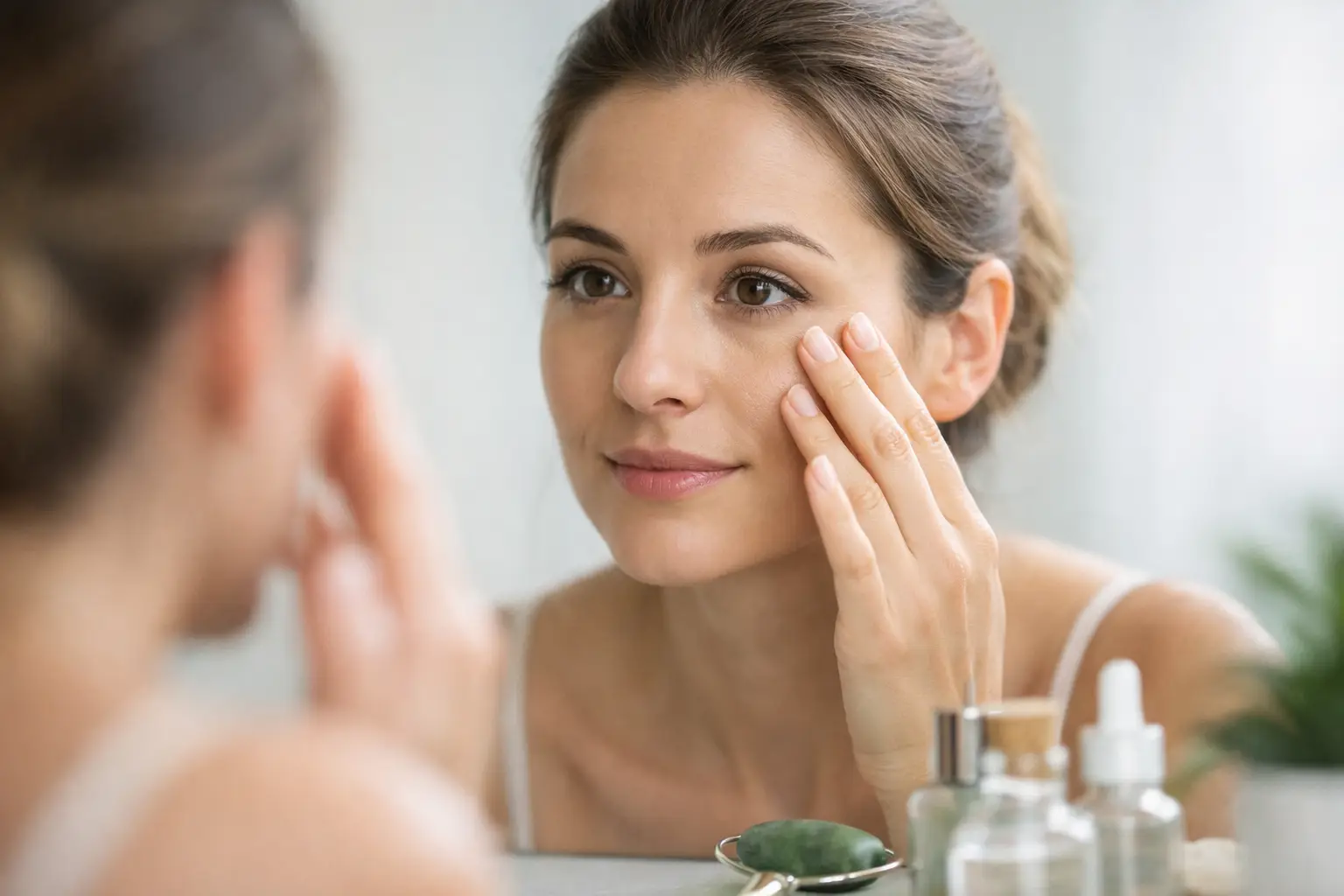
Learn how to improve under eye hollows with personalized, non-surgical options that restore balanced facial volume and a naturally refreshed look today.
Under-eye hollows can make a well-rested, polished face appear tired, stressed, or older than it feels. If you want to improve under eye hollows, the most effective approach is rarely a one-size-fits-all eye treatment. It begins with understanding whether the concern is true volume loss, shadows from facial structure, pigmentation, puffiness, or a combination of all four.
At Fit4You Polyclinic, treatment planning focuses on restoring facial balance rather than simply filling a line beneath the eyes. The goal is a naturally refreshed look that still feels entirely like you.
What Causes Under Eye Hollows?
The under-eye area is one of the most delicate and expressive parts of the face. It has thin skin, limited soft-tissue support, and a complex relationship with the cheeks, eyelids, and bone structure. A hollow often appears along the tear trough, the groove that runs from the inner corner of the eye toward the upper cheek.
For some people, this contour is genetic and noticeable from an early age. For others, it becomes more visible over time as collagen, fat pads, and mid-face volume gradually change. Weight loss, dehydration, stress, allergies, and poor sleep can make the area look more pronounced, but they are not always the root cause.
This distinction matters. A shadow caused by a recessed upper cheek may improve more beautifully with subtle cheek support than with product placed directly under the eye. Dark circles caused primarily by pigment will not disappear with filler. Puffiness can also create a contrast that makes a hollow look deeper, so treating volume alone may not be appropriate.
How to Improve Under Eye Hollows With Aesthetic Treatments
The best non-surgical option depends on your facial anatomy, skin quality, and desired level of correction. An in-person assessment with an experienced medical aesthetic provider is essential because the under-eye area rewards precision and does not respond well to overcorrection.
Strategic dermal filler for volume support
For carefully selected candidates, hyaluronic acid dermal filler can soften a tear trough or restore support to the mid-face. Hyaluronic acid is valued because it can be placed conservatively and, if needed, adjusted by a qualified professional. The treatment is typically quick, with results visible immediately, although minor swelling or bruising can occur before the final result settles.
The key word is strategic. Placing filler directly into the tear trough is not suitable for everyone, particularly those with significant under-eye bags, fluid retention, very thin skin, or certain anatomical features. In many cases, adding measured support to the cheek first creates a smoother transition between the lower eyelid and mid-face without making the eye area look heavy.
A refined result should soften the tired appearance, not erase every natural contour. Chasing complete flatness under the eyes can lead to an unnatural or puffy look.
Collagen-stimulating treatments for gradual improvement
When facial volume loss extends beyond the tear trough, collagen-stimulating injectables may be considered as part of a broader rejuvenation plan. Treatments such as Sculptra work gradually to support collagen production and improve the overall quality and structure of the mid-face over time.
This route is not an instant under-eye filler replacement. It is often better suited to clients who want progressive, subtle restoration in areas that influence the under-eye contour, including the cheeks and temples. Results develop over several weeks to months, and a series of sessions may be recommended depending on the degree of volume loss.
Skin-quality treatments for crepiness and fine lines
Sometimes the concern is not only a hollow. Fine lines, thin skin, and a crepey texture can make shadows look stronger. Injectable skin boosters and treatments designed to support hydration and skin quality may complement a volume-focused plan. Profhilo, for example, is designed to improve hydration and skin laxity rather than replace lost volume in a deep hollow.
Technology-led treatments may also be appropriate when mild laxity around the eye area contributes to a tired appearance. Depending on your assessment, a provider may discuss collagen-supporting options that target skin firmness. These treatments are best viewed as complementary: smoother, firmer-looking skin can enhance the result of carefully placed volume restoration, but it will not correct a pronounced structural tear trough on its own.
Why Topical Products Have Limits
A well-formulated eye cream can improve hydration, temporarily soften the appearance of fine lines, and support the skin barrier. Ingredients such as hyaluronic acid, peptides, caffeine, and retinoids formulated for the eye area may be useful additions to a consistent routine.
However, skincare cannot replace volume that has shifted or been lost beneath the skin. It also cannot change the shape of the orbital bone or remove significant under-eye bags. This is not a failure of your routine. It is simply the difference between treating skin surface quality and treating deeper facial anatomy.
For a more polished daily appearance, use sunscreen around the eye contour as directed, avoid rubbing the area, manage allergies when relevant, and prioritize sleep and hydration. These habits can reduce factors that intensify a hollowed look, even when they do not fully resolve the underlying structure.
When Filler Is Not the Right Answer
An ethical aesthetic plan includes knowing when to pause. If under-eye puffiness is caused by prominent fat pads, filler may make the area appear more swollen. If dark circles are mainly vascular or pigment-related, a different dermatology-focused approach may be needed. Significant eyelid laxity or pronounced bags may require evaluation by an oculoplastic or plastic surgeon rather than repeated non-surgical treatments.
Medical history also matters. Previous filler, autoimmune conditions, chronic swelling, allergies, medications, and a history of certain eye procedures should all be discussed before treatment. Under-eye injections carry real risks, including bruising, swelling, asymmetry, and rare but serious vascular complications. They should only be performed by properly trained, licensed medical professionals using appropriate techniques and emergency protocols.
What a Personalized Plan Should Include
A premium consultation should look at your face in motion and at rest, not just a close-up of the under-eye area. Your provider should assess cheek projection, skin thickness, tear trough depth, pigmentation, puffiness, and facial symmetry. They should also ask what changes you notice in photos, after travel, or at different times of day.
The treatment plan may be as simple as conservative filler in one area, or it may combine cheek support, skin hydration, and a home-care strategy. It depends on the cause. A thoughtful provider will also explain what the treatment can improve, what it cannot change, expected longevity, likely downtime, and when to schedule a review.
For many clients, subtle correction is the most luxurious result. You should look rested after a long week, not visibly “done.”
How Long Do Results Last?
Longevity varies by treatment, product choice, metabolism, and placement. Hyaluronic acid filler often lasts several months to over a year in facial areas, though the under-eye region should be approached conservatively and maintained only when clinically appropriate. Collagen-stimulating treatments develop more gradually and may offer longer-lasting structural support, while skin-quality treatments often require ongoing sessions to maintain their effect.
Your maintenance schedule should be guided by how you look and feel, not by a fixed calendar. Adding more product simply because time has passed is not always the right decision.
A refreshed under-eye area is built on balance, restraint, and expert judgment. The most valuable next step is a personalized consultation that identifies what is creating the shadow in the first place - then selects the treatment that lets your natural features look brighter, softer, and beautifully well-rested.
Interested in this treatment?
Book a free consultation with our specialists at Fit4You Polyclinic Dubai.
Book Free Consultation