

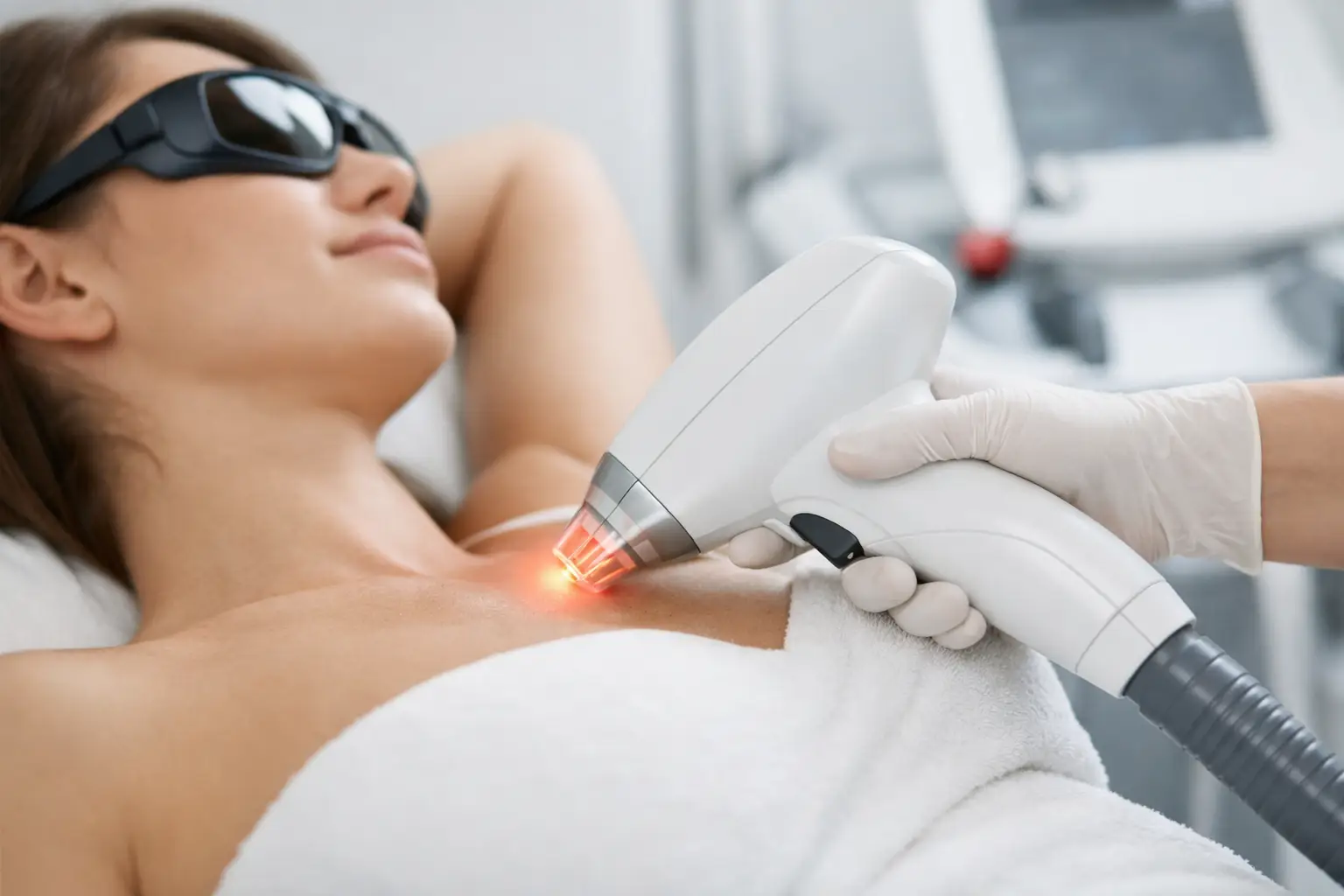
Learn how laser hair removal works, what the laser targets, how sessions are spaced, and why skin tone, hair color, and timing affect results.
Smooth skin is not the result of luck. It is usually the result of choosing the right technology, the right treatment plan, and the right timing. If you have been wondering how laser hair removal works, the short answer is simple: concentrated light targets the pigment in the hair, heats the follicle, and reduces its ability to grow new hair. The longer answer is where the real value is, because results depend on much more than the laser itself.
How laser hair removal works on the skin and follicle
Laser hair removal is based on selective photothermolysis, a clinical term for a very precise idea. The device delivers a specific wavelength of light that is drawn to melanin, the pigment in the hair shaft. That light converts to heat, and the heat travels down into the follicle, where hair growth begins.
The goal is not to burn the skin or remove hair at the surface. The goal is to disrupt the follicle enough that it produces less hair over time. When treatment is done correctly, the surrounding skin is protected while the follicle absorbs the energy it is meant to receive.
This is why dark, coarse hair tends to respond best. It contains more pigment, which gives the laser a clearer target. Fine, pale, gray, red, or white hair is less predictable because there is less melanin for the laser to detect.
Why you need multiple sessions
One of the most common misunderstandings about how laser hair removal works is the idea that all hair can be treated at once. Hair grows in cycles, and only hairs in the active growth phase are fully connected to the follicle in a way that makes laser treatment effective.
At any given time, some hairs are actively growing, some are resting, and some are shedding. A session can only impact the hairs that are in the right stage on that day. That is why a series of treatments is required rather than a single appointment.
Most people need a course of sessions spaced several weeks apart, followed by occasional maintenance. The exact number depends on the area treated, the thickness of the hair, hormonal influences, and how consistently appointments are scheduled. Areas like the underarms and bikini line often respond more quickly than the face, where hormones can make regrowth more persistent.
What happens during a treatment session
A well-run laser appointment is straightforward, but it should never feel rushed. The treatment area is typically shaved in advance so the laser can focus on the follicle below the skin rather than singeing hair above the surface. Protective eyewear is used, and the specialist adjusts the device settings based on your skin tone, hair type, and treatment area.
As the laser pulses, you may feel a quick snapping or warming sensation. Modern systems often include cooling technology to protect the skin and make treatment far more comfortable than older devices. Sessions can be very brief for smaller areas like the upper lip and longer for larger zones such as the legs or back.
After treatment, it is normal to see mild redness or slight swelling around the follicles. This usually settles quickly. The hair does not fall out instantly. Instead, it sheds gradually over the next one to three weeks, which is why results are often noticed progressively rather than overnight.
Skin tone, hair color, and device choice matter
Not all laser hair removal is the same, and this is where clinical expertise matters. Different devices use different wavelengths, and those wavelengths interact with the skin in different ways. A setting that is effective for one person may be unsafe or ineffective for another.
For lighter skin with dark hair, several technologies can perform well. For deeper skin tones, the choice of laser becomes even more important because the skin contains more melanin, and that melanin can compete with the hair as a target. The right system, combined with an experienced provider, helps reduce the risk of irritation, burns, or pigmentation changes while still delivering strong results.
This is one reason luxury medical aesthetics clinics place such emphasis on consultation and customization. Hair reduction is not just about applying a machine to the skin. It is about selecting the correct wavelength, pulse duration, energy level, and treatment interval for the individual in front of you.
What laser hair removal can and cannot do
Laser hair removal offers long-term hair reduction, not always total permanent removal of every strand forever. For many patients, the outcome is a dramatic decrease in hair growth, finer regrowth, smoother skin, and far less dependence on shaving or waxing. Some areas may become almost hair-free for long stretches. Others may need occasional touch-ups, especially if hormones shift over time.
That distinction matters. A trustworthy provider should set expectations clearly. If you are dealing with facial hair related to PCOS, for example, laser can still be very effective, but maintenance may be more important than it is for someone treating lower legs or underarms.
There is also a cosmetic benefit beyond hair reduction. Because shaving and waxing can lead to ingrown hairs, razor bumps, and post-inflammatory pigmentation, laser treatments often improve the overall look and feel of the skin. For clients who want a cleaner, more polished finish, that can be just as valuable as reducing the hair itself.
How to prepare so your sessions work better
Good results start before the laser is ever switched on. Sun exposure should be limited before and after treatment because tanned or recently sun-exposed skin can be more reactive. Self-tanner should also be avoided. The area should be shaved as instructed, but waxing, threading, and plucking should be stopped in the weeks leading up to treatment because they remove the follicle target the laser needs.
Skincare matters too. Active ingredients such as retinoids, exfoliating acids, or strong resurfacing products may need to be paused depending on the treatment area. Your provider should review this during consultation, especially for facial treatment.
Caffeine, workouts, and hot environments are not always prohibited, but if your skin tends to react easily, your specialist may suggest keeping things calm for the rest of the day. This is one of those it depends moments. The best advice is always based on your skin, your sensitivity level, and the area being treated.
How laser hair removal works over time
Results build in layers. After the first session, you may notice patches where hair grows back more slowly, more sparsely, or with a softer texture. That is encouraging, but it is not the final result. As each session treats a new group of follicles in the active growth phase, the cumulative effect becomes more obvious.
By the middle of a treatment course, many clients find they are shaving less often and dealing with less irritation. By the end, the maintenance burden can feel completely different from where it started. That shift is part of the appeal. It is not just about removing hair. It is about reducing a routine that takes time, causes frustration, and often never delivers a truly smooth finish.
At a clinic such as Fit4You Polyclinic, that longer view is part of the treatment philosophy. Premium results come from consistency, advanced technology, and a plan tailored to your skin rather than a one-size-fits-all promise.
Is laser hair removal worth it?
For the right candidate, often yes. If you are tired of shaving every few days, booking regular waxing appointments, or dealing with ingrowns that affect your confidence, laser hair removal can be one of the most practical aesthetic treatments available. It fits easily into a modern beauty maintenance routine and offers visible improvement without surgery or meaningful downtime.
That said, value is not just about price per session. It is about whether the clinic uses medical-grade technology, whether the provider understands skin and hair biology, and whether the treatment plan is built around safe, consistent results. A cheaper session that uses the wrong settings or the wrong device is rarely a bargain.
The best candidates usually have realistic expectations, a commitment to completing their session plan, and a willingness to follow preparation and aftercare guidance. When those pieces are in place, laser hair removal can deliver the kind of elegance people notice without always knowing why your skin looks so refined.
If you have been considering treatment, the smartest next step is not guessing which package to choose. It is getting a proper consultation, asking the right questions, and making sure the plan matches your skin, your hair, and your goals. That is where smooth skin stops being a hope and starts becoming a result.
Interested in this treatment?
Book a free consultation with our specialists at Fit4You Polyclinic Dubai.
Book Free Consultation