

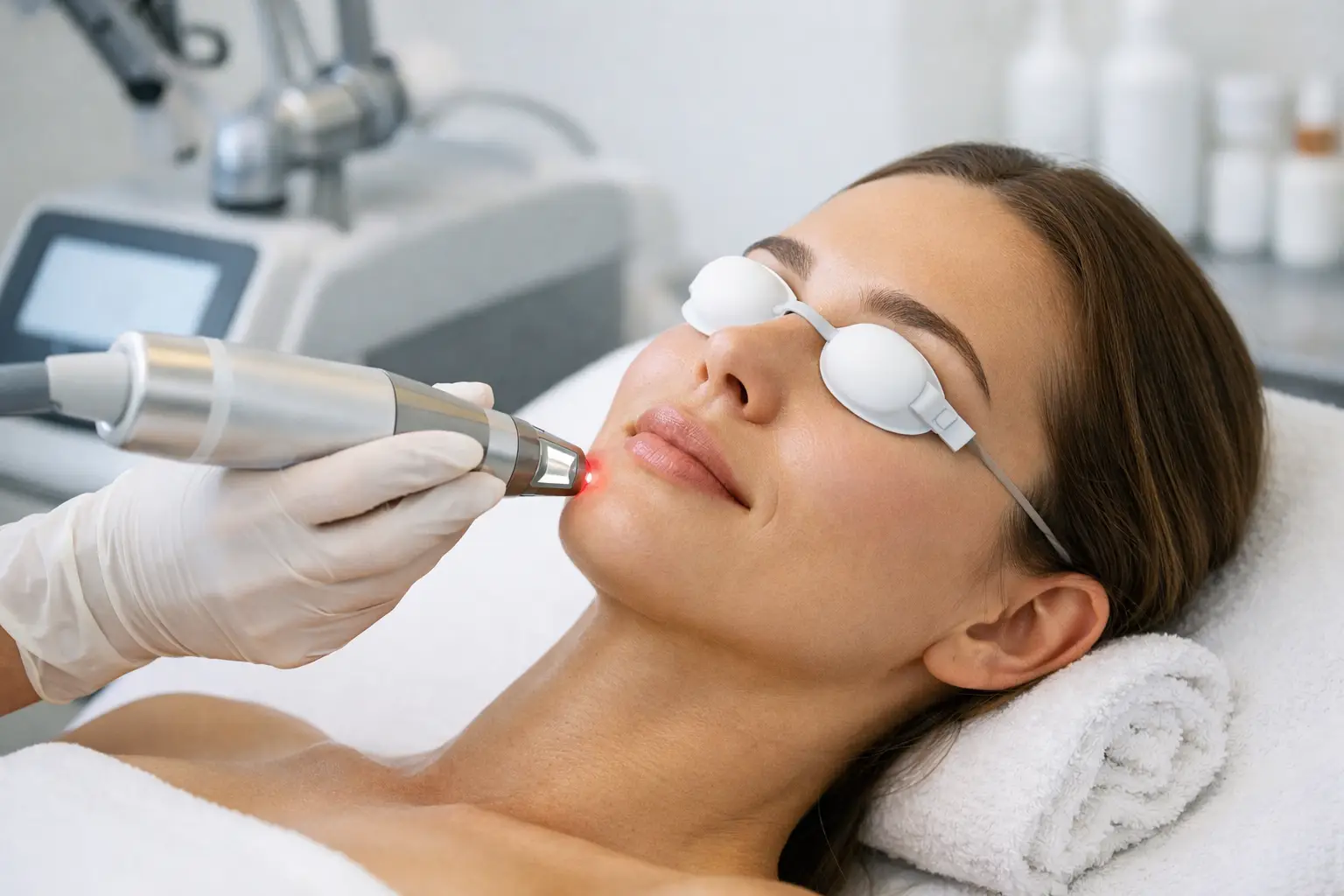
A guide to laser skin rejuvenation for clearer, firmer-looking skin, including laser options, recovery, realistic results, and your tailored care plan.
A polished complexion rarely comes from one treatment alone. It comes from choosing the right technology for the concern in front of you, whether that is sun damage, persistent pigmentation, acne scarring, enlarged pores, fine lines, or a complexion that has lost its clarity. This guide to laser skin rejuvenation explains how modern laser treatments work, what results can look like, and why a personalized plan makes all the difference.
What Laser Skin Rejuvenation Can Treat
Laser skin rejuvenation uses concentrated energy to create controlled change within the skin. Depending on the device and settings, that energy can target pigment near the surface, heat the deeper dermis to encourage collagen production, or renew damaged skin cells through precisely controlled micro-injuries.
The goal is not to make skin look artificially altered. A well-planned treatment can help it appear smoother, clearer, brighter, and more even, while preserving the features that make your face distinctly yours. For many clients, laser treatment is appealing because it offers visible improvement without surgery and with recovery that can be tailored to their schedule.
Common concerns treated with laser rejuvenation include uneven tone, sun spots, freckles, post-acne marks, dullness, early laxity, rough texture, fine lines, visible pores, and certain types of acne scarring. Results depend on the concern, the technology selected, your skin type, and how consistently you protect and care for your skin afterward.
A Guide to Laser Skin Rejuvenation Technologies
There is no single "laser facial." The word laser covers several technologies, each designed to address a different depth and skin concern. Your consultation should focus less on a trendy device name and more on the treatment approach that best suits your skin.
Non-ablative lasers
Non-ablative lasers deliver heat beneath the skin’s surface while leaving the outer layer largely intact. They are often selected for early signs of aging, mild texture changes, enlarged pores, and overall skin quality. Because the surface remains protected, downtime is usually limited to temporary redness or mild swelling.
This approach tends to be gradual. Collagen remodeling takes time, so improvement often develops over several weeks and may continue after a course of treatments. Non-ablative options can be an excellent choice for clients who want refinement with minimal interruption to work, social plans, or travel.
Fractional resurfacing lasers
Fractional lasers treat a grid of microscopic columns in the skin while leaving surrounding tissue untouched. This pattern supports faster recovery than fully ablative resurfacing while still creating meaningful renewal. Fractional treatments may be recommended for acne scars, deeper texture concerns, fine lines, and more visible sun damage.
The trade-off is downtime. Depending on the intensity used, skin can look red, feel warm, and peel or bronze for several days. More intensive settings may deliver stronger resurfacing, but they also require more diligent recovery and a carefully managed skincare routine.
Ablative resurfacing lasers
Ablative lasers remove a controlled portion of the skin’s outer layer and heat the tissue beneath it. They can produce impressive improvement in deeper wrinkles, significant photodamage, and pronounced textural irregularities, but they are not a casual lunchtime treatment.
Recovery can take one to two weeks or longer, and redness may persist as the skin continues healing. This category requires careful screening, professional aftercare, and strict sun avoidance. It can be the right choice when substantial correction is the priority, but it is not automatically the best choice for every client.
Light-based treatments and pigment-focused options
Some rejuvenation plans include intense pulsed light, often called IPL, which is technically light-based rather than a laser. It can be particularly useful for visible sun damage, freckles, redness, and uneven pigmentation. Other pigment-focused lasers may be selected for specific discoloration concerns.
Pigment deserves an especially thoughtful approach. Melasma, for example, can be triggered or worsened by heat in some cases, while post-inflammatory hyperpigmentation needs careful management in deeper skin tones. A qualified provider will assess whether laser energy is appropriate, or whether skincare, peels, injectables, or another treatment should come first.
What Your Appointment Should Look Like
The best outcomes begin before the device is switched on. A thorough consultation should review your concerns, medical history, current skincare, previous aesthetic treatments, history of cold sores, medications, and tendency toward pigmentation or scarring. Your provider should also assess your skin tone, sensitivity, and how much downtime you can realistically accommodate.
Before treatment, you may be asked to pause retinoids, exfoliating acids, or other active products for a specified period. Recent tanning and self-tanner can interfere with safe treatment planning, so avoiding excess sun exposure is essential. If you are prone to cold sores and the treatment area includes the mouth, preventive medication may be recommended.
During the session, protective eyewear is essential. Many treatments feel like a quick snap of warmth against the skin, while deeper resurfacing can require topical numbing or additional comfort measures. Appointment time varies, but facial laser sessions commonly take 30 to 60 minutes once preparation is included.
Immediately afterward, redness and warmth are normal. Skin may feel similar to a mild sunburn, and swelling can be more noticeable around the eyes. With resurfacing treatments, you may also see temporary darkening of pigment before it flakes away. These responses are part of the expected healing process, not a sign that you should scrub or pick at the skin.
Recovery Is Where Results Are Protected
Laser treatment is only one part of the result. The days following it determine how smoothly your skin heals and how effectively you preserve the investment.
Use a gentle cleanser, a simple barrier-supporting moisturizer, and broad-spectrum sunscreen as directed by your provider. Avoid heat exposure from hot yoga, saunas, steam rooms, and intense exercise until you are cleared to resume them. Do not exfoliate, use retinoids, or apply active acids too early, even if the skin begins to feel dry or textured.
For clients living in sunny climates such as Dubai, sun protection is not optional after laser rejuvenation. UV exposure can undermine pigment correction and increase the risk of post-treatment discoloration. A wide-brimmed hat, shade when possible, and diligent sunscreen reapplication help protect the clearer, more even tone you are working toward.
Makeup may be permitted after low-downtime treatments, but it should be applied only when your provider advises. After stronger resurfacing, allow the skin to heal without unnecessary products. Following instructions precisely is a luxury in itself: it gives the skin the calm, protected environment it needs to recover beautifully.
When Will You See Results?
Some changes are visible quickly. Skin may look brighter after redness settles, and superficial pigment can begin to lift within days. Collagen-driven results, however, are more patient. Firmer texture, softer fine lines, and refined pores typically emerge over weeks to months as the skin rebuilds supportive collagen.
A single session may be enough for mild brightness and maintenance goals, while acne scars, established sun damage, or deeper textural concerns often respond best to a series. Most treatment plans are spaced several weeks apart to allow healing and collagen remodeling between appointments.
Expect improvement, not perfection. Laser rejuvenation can significantly elevate skin quality, but it will not erase every line, remove all scars, or stop the natural aging process. The most refined results usually come from pairing laser care with a medical-grade home routine and, when appropriate, complementary treatments such as skin boosters, facials, or collagen-stimulating procedures.
Is Laser Rejuvenation Right for Every Skin Tone?
Laser rejuvenation can be performed safely on many skin tones, but device choice and settings matter greatly. Darker skin contains more melanin, which can raise the risk of unwanted pigment changes when energy is used incorrectly. That does not mean laser treatment is off limits. It means expertise, appropriate technology, conservative parameters, and preparation are essential.
Your provider may recommend a test spot, pigment-suppressing skincare, or an alternative approach before proceeding. This is not a compromise in quality. It is thoughtful treatment design, built around protecting your skin as carefully as improving it.
At Fit4You Polyclinic, laser plans are approached as a personalized skin strategy rather than a one-size-fits-all appointment. The right protocol considers your complexion, lifestyle, concerns, and desired level of correction to create results that look fresh, natural, and unmistakably yours.
If you are considering laser skin rejuvenation, begin with the question that matters most: what does your skin need now, and what level of recovery fits your life? A professional consultation can turn that answer into a plan that respects both your time and your skin’s long-term health.
Interested in this treatment?
Book a free consultation with our specialists at Fit4You Polyclinic Dubai.
Book Free Consultation