

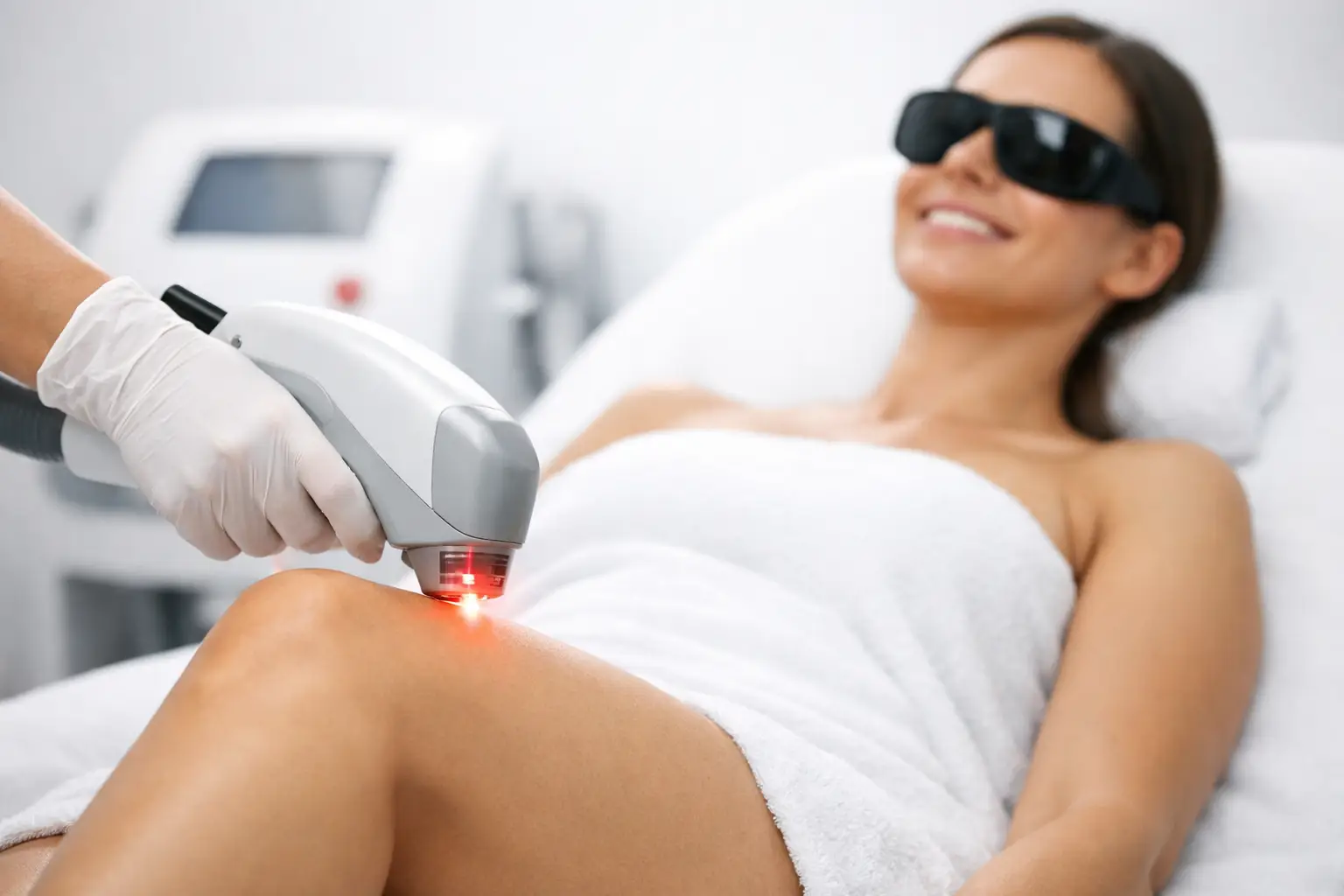
A clear guide to laser hair reduction, including how it works, who it suits, treatment timing, aftercare, and what results to expect.
Smooth skin is easy to want and frustrating to maintain. If shaving leaves shadowing by evening or waxing has turned into a recurring appointment you no longer enjoy, this guide to laser hair reduction is designed to answer the questions that actually shape results: how the treatment works, who it suits, what it feels like, and what kind of outcome is realistic.
Laser hair reduction has become a standard part of modern aesthetic care because it offers something most temporary methods cannot - a meaningful drop in regrowth over time. That said, the best experience comes from understanding what the treatment can do, what it cannot do, and why your skin tone, hair color, hormones, and treatment schedule all matter.
What laser hair reduction actually does
Despite the way people often talk about it, laser hair reduction is not always a one-and-done removal treatment. The more accurate term is reduction. The laser targets pigment in the hair follicle, delivering heat that damages the follicle’s ability to produce strong, visible hair in the future.
Over a series of sessions, hair usually becomes finer, sparser, and slower to return. In many areas, that can mean long stretches of smooth skin with only occasional maintenance. For some clients, especially those with hormonally driven growth, it means a major reduction rather than complete absence of hair.
That distinction matters because it sets the right expectation from the start. Premium treatment is not about exaggerated promises. It is about visible improvement, carefully planned sessions, and a protocol tailored to your skin and hair profile.
A guide to laser hair reduction by skin and hair type
Laser technology works by recognizing contrast, which is why darker hair generally responds best. Brown and black hair contain more melanin, making it easier for the device to identify and heat the follicle effectively. Very blond, gray, white, or red hair tends to be more resistant because there is less pigment to target.
Skin tone also affects treatment choice. Advanced devices can treat a wider range of complexions safely, but settings must be chosen with precision. This is where medical oversight and device quality matter. A sophisticated laser platform is important, but so is the practitioner’s judgment in selecting the right wavelength, energy level, and interval between sessions.
For clients with deeper skin tones, safety is not about avoiding treatment. It is about using appropriate technology and conservative, experienced protocols. For clients with fair skin and dark hair, response can be especially strong, but even then, the body area and hormone activity influence the outcome.
Which areas respond best
Most treatment areas can benefit, including the face, underarms, arms, legs, bikini line, back, chest, and abdomen. Some areas tend to respond faster than others. Underarms and bikini areas often show a noticeable reduction relatively early in a treatment course because the hair is typically coarser and darker.
Facial hair can be more complex. It often has a hormonal component, especially around the chin, jawline, and upper lip. Treatment can still be very worthwhile, but it may require more sessions and a longer-term maintenance plan.
For men, the back, chest, shoulders, and neck are common concerns. For women, underarms, bikini, legs, and facial areas are often priorities. The right plan depends less on gender and more on hair density, skin sensitivity, lifestyle, and the finish you want to maintain.
How many sessions should you expect?
Hair grows in cycles, and laser is most effective when hair is in the active growth phase. Because not every follicle is in that phase at the same time, a single session only treats a portion of the hair effectively. This is why a series is essential.
Most people need around six to eight sessions for a strong initial reduction, spaced several weeks apart depending on the area. Face treatments are often scheduled more frequently than body treatments. After the initial course, maintenance sessions may be recommended once or twice a year, although some clients need them more often.
If you have polycystic ovary syndrome, thyroid imbalance, or other hormonal influences, your plan may look different. You can still achieve a significant improvement, but maintenance is often part of the long-term strategy. Honest consultation matters here because the best aesthetic care is built around your biology, not a generic package.
What treatment feels like
Most clients describe the sensation as a quick snap of heat against the skin. Some areas are easier than others. Underarms are usually very manageable, while the upper lip and bikini line can feel more intense. Modern systems often include cooling technology, which makes treatment much more comfortable and helps protect the skin.
The appointments themselves are usually fast. Smaller areas can be treated in minutes, while larger zones like full legs or back naturally take longer. There is typically no true downtime, which is one reason laser hair reduction fits so well into busy professional schedules.
You may notice mild redness or a warm sensation immediately afterward. This usually settles quickly. The skin can feel a bit sensitive for a day or two, especially after treating delicate areas.
How to prepare for the best result
Preparation is simple, but it matters. The area should be shaved before treatment so the laser energy reaches the follicle rather than burning hair above the skin. Waxing, threading, or plucking should be avoided beforehand because these methods remove the root that the laser needs to target.
Sun exposure is another key variable. Tanned or recently sun-exposed skin can increase the risk of irritation and may limit the settings that can be used safely. If your lifestyle includes regular beach time, pool days, or outdoor training, timing your sessions thoughtfully becomes part of your treatment success.
Skincare should also be reviewed. Certain active ingredients, especially strong exfoliants or retinoids used near the treatment area, may need to be paused briefly. A proper consultation should cover this in detail so your skin is calm, balanced, and ready.
Aftercare is simple, but not optional
Post-treatment care supports both comfort and results. For the first day or two, heat-heavy activities such as saunas, very hot showers, and intense exercise are usually best avoided if the skin feels sensitive. Gentle skincare, sun protection, and avoiding friction in the treated area help minimize irritation.
One detail surprises many first-time clients: hairs do not disappear instantly. Over the next one to three weeks, treated hairs often begin to shed. It can look as though they are still growing, but they are actually working their way out of the follicle. This is normal and part of the process.
It is tempting to judge results too early, especially after the first session. The real shift becomes clearer as treatments build on one another. Density drops, regrowth slows, and texture changes. That cumulative effect is what makes the treatment feel transformative.
Common misconceptions about laser hair reduction
One of the biggest misconceptions is that more power always means better results. In reality, safe and effective treatment is about precision. Aggressive settings are not automatically superior, particularly on sensitive or melanin-rich skin.
Another misconception is that all lasers are essentially the same. They are not. Device quality, wavelength, cooling systems, and practitioner training all affect comfort, safety, and outcome. This is why clients seeking refined, reliable results often choose medically supervised clinics rather than treating laser hair reduction as a casual beauty add-on.
There is also the belief that if some hair returns, the treatment failed. That is not how reduction-based treatments should be assessed. The real measure is whether the regrowth is lighter, finer, more patchy, and less frequent than before. For most clients, that shift alone changes the entire maintenance routine.
Is it worth it?
For people who regularly shave, wax, or deal with ingrown hairs, laser hair reduction is often less about vanity and more about freedom. It can reduce daily friction, improve skin smoothness, and take the pressure out of constant upkeep. The value becomes even clearer in climates where skin is on show year-round and polished presentation feels part of everyday life.
That said, the answer depends on your expectations. If you want a treatment that works gradually, rewards consistency, and can be customized around your skin goals, it is often an excellent investment. If you are looking for absolute permanence after one or two appointments, you may be disappointed.
At a clinic level, the difference is in how carefully the plan is built. At Fit4You Polyclinic, that means combining advanced laser technology with a personalized consultation process so treatment is aligned with skin type, hair behavior, comfort level, and desired finish.
The best time to start is usually before you are tired of your routine enough to make rushed decisions. When laser hair reduction is approached with the right technology, realistic expectations, and expert guidance, it becomes less of a cosmetic extra and more of a refined long-term upgrade to how you care for yourself.
Interested in this treatment?
Book a free consultation with our specialists at Fit4You Polyclinic Dubai.
Book Free Consultation