

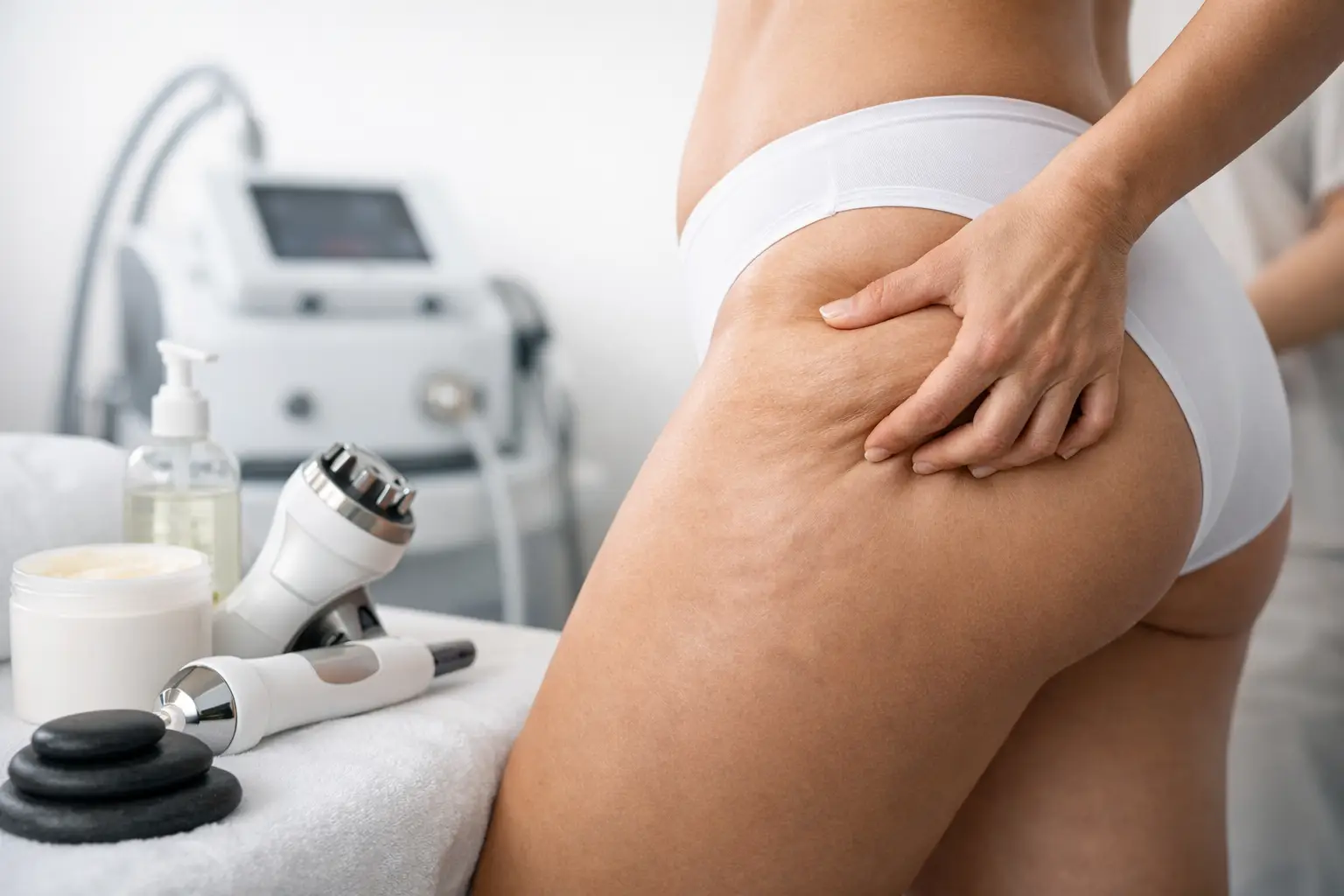
A clear guide to cellulite treatment options, from radiofrequency to massage and injectables, with what works, who it suits, and what to expect.
Cellulite can be frustrating precisely because it is so common. You can work out consistently, eat well, maintain a stable weight, and still notice dimpling on the thighs, buttocks, hips, or abdomen. That is why a realistic guide to cellulite treatment options matters - not to promise perfection, but to help you understand what can improve skin texture, what requires maintenance, and which treatments are worth your time.
Cellulite is not a sign that you are out of shape. It is a structural skin concern caused by fibrous bands pulling down on the skin while fat pushes upward beneath it. Hormones, genetics, circulation, skin thickness, and collagen loss all play a role. This is also why one person may see mild dimpling in their 20s while another develops more visible cellulite later, especially after pregnancy, weight fluctuations, or age-related loss of firmness.
What this guide to cellulite treatment options should clarify
The most common mistake people make is searching for a single best treatment. In practice, cellulite responds best when the plan matches the cause. If the main issue is skin laxity, tightening technologies may help. If the dimpling is more fibrous and tethered, subcision-based approaches can be more relevant. If fluid retention and texture are making cellulite look worse, lymphatic and circulation-focused treatments may improve the appearance, though usually more temporarily.
That distinction matters because cellulite is not the same as loose skin, localized fat, or stretch marks, even though they often appear together. A treatment that reduces fat volume may not smooth dimpling. A treatment that tightens skin may improve mild cellulite but do less for deeper depressions. The right plan usually starts with an honest assessment rather than a trend-driven choice.
Top cellulite treatment options and how they work
Radiofrequency and skin tightening devices
Radiofrequency-based treatments are among the most widely used non-surgical options for cellulite, especially when dimpling is paired with mild to moderate skin laxity. These treatments deliver controlled heat into the deeper layers of skin to stimulate collagen remodeling and improve firmness over time. As the skin becomes tighter and more supported, the surface can look smoother.
This option tends to suit clients who want gradual, natural-looking improvement with little to no downtime. It is less about a dramatic overnight change and more about visible refinement across a series of sessions. Technologies that combine radiofrequency with massage, suction, or mechanical stimulation can be especially appealing because cellulite often involves more than one issue at once - texture, circulation, laxity, and contour.
The trade-off is patience. Results usually build over several weeks, and maintenance is often needed. For many people, though, the appeal is clear: comfortable treatment, no surgery, and a polished improvement in skin quality.
Acoustic wave and combination therapies
Some advanced body treatments combine radiofrequency with acoustic wave energy or targeted mechanical stimulation. These approaches are designed to improve circulation, break up the appearance of fibrous bands, and stimulate collagen at the same time. They are often chosen for areas like the thighs and buttocks, where cellulite tends to be most visible.
Combination therapies can be a strong fit for people who want a more comprehensive non-invasive plan rather than relying on one mechanism alone. In a premium aesthetic setting, this is often where treatment becomes more personalized. One person may need more emphasis on tightening and contouring, while another benefits most from texture-focused sessions.
This category often produces some of the most satisfying non-surgical results, especially when cellulite is mild to moderate. It is also one of the clearest examples of why consultation matters. The machine itself matters, but so does the treatment protocol, the provider's assessment, and the consistency of your sessions.
Subcision for deeper dimpling
When cellulite creates distinct, deeper indentations, subcision-based treatment may be more appropriate. This approach targets the fibrous septae, or connective bands, that tether the skin downward. By releasing those bands, the skin can look smoother and less puckered.
This is a more targeted option and is often better suited to specific dimples rather than diffuse texture changes across a broad area. Because it addresses a structural cause directly, it can offer a more meaningful improvement for selected patients than surface-level treatments alone.
That said, it is not the right choice for everyone. It can involve more downtime than device-based body treatments, and it may not address accompanying laxity or volume concerns on its own. For some patients, subcision works best as part of a broader treatment strategy rather than a standalone answer.
Injectable treatments
Certain injectable treatments are designed to improve the appearance of cellulite by addressing the fibrous bands beneath the skin. These are typically used for moderate to severe cellulite in specific areas, often the buttocks. When appropriate, they can create a noticeable smoothing effect.
Injectables can be appealing because they are precise and relatively quick in-office procedures. However, candidacy is important. Not every area is suitable, and not every pattern of cellulite responds equally well. Bruising and temporary tenderness can occur, so timing matters if you have social events, travel, or beach plans coming up.
For clients who want treatment grounded in anatomy rather than broad promises, injectables can be a strong option. They simply require careful evaluation and realistic expectations.
Laser cellulite treatments
Some minimally invasive laser treatments work beneath the skin to release fibrous bands, stimulate collagen, and improve skin thickness. These options can produce meaningful changes, especially for more established cellulite, but they are generally more intensive than standard non-invasive body contouring sessions.
If you are comparing laser with radiofrequency or acoustic wave treatment, the difference often comes down to severity, downtime tolerance, and how aggressive you want to be. Laser-based procedures may offer stronger correction in selected cases, but they are not the first choice for everyone. Many patients prefer to start with non-surgical options and escalate only if needed.
Massage, lymphatic drainage, and topical products
Massage-based treatments, endermologie-style approaches, lymphatic drainage, and firming creams can improve how cellulite looks temporarily. They may reduce puffiness, encourage circulation, and create a smoother surface for a short period. These can be useful before a holiday, event, or photoshoot.
The limitation is that they rarely change the deeper structure causing cellulite. Topicals can support skin hydration and texture, but they do not release fibrous bands or rebuild significant laxity. That does not make them useless. It simply places them in the right category: supportive, not transformative.
How to choose the right cellulite treatment
The best cellulite plan depends on three things: how visible the cellulite is, what is causing it to look worse, and how much downtime you are willing to accept. Mild, diffuse cellulite with crepey skin often responds well to non-surgical tightening and body contouring technologies. Distinct dimples may call for subcision or injectables. If there is also stubborn fat or loose skin, the treatment plan may need to address contour and firmness together.
Age also plays a role, but not in the way many people think. Younger skin may respond faster because collagen reserves are stronger. More mature skin can still improve very well, but combination treatment is often more effective because cellulite and laxity tend to overlap.
This is where a medically led consultation becomes valuable. In a clinic environment focused on advanced body technologies and customized planning, the goal is not just to recommend a popular treatment. It is to match the device or procedure to your anatomy, your goals, and your timeline. At Fit4You, that personalized approach is what elevates treatment from generic body care to a true aesthetic plan.
What results should you realistically expect?
A polished improvement is realistic. Perfectly smooth skin in every light, at every angle, is usually not. Even strong cellulite treatments improve the appearance rather than erase the condition entirely. For most people, the most satisfying result is smoother texture, shallower dimples, better firmness, and more confidence in fitted clothing or swimwear.
Maintenance matters because the factors behind cellulite do not disappear permanently. Aging continues, collagen changes, and hormonal influences remain. The good news is that once you achieve improvement, maintenance sessions are often less intensive than the initial course.
Lifestyle still counts, just not as a cure. Strength training, hydration, circulation, weight stability, and skin-supportive habits can all help preserve results. They work best as support for treatment, not as a replacement for it.
If you are considering treatment, look for a plan that respects both science and aesthetics. The best outcomes come from expert assessment, credible technology, and a strategy tailored to your body rather than a one-size-fits-all promise. When cellulite is approached that way, improvement can feel less like chasing an impossible standard and more like refining what is already yours.
Interested in this treatment?
Book a free consultation with our specialists at Fit4You Polyclinic Dubai.
Book Free Consultation