

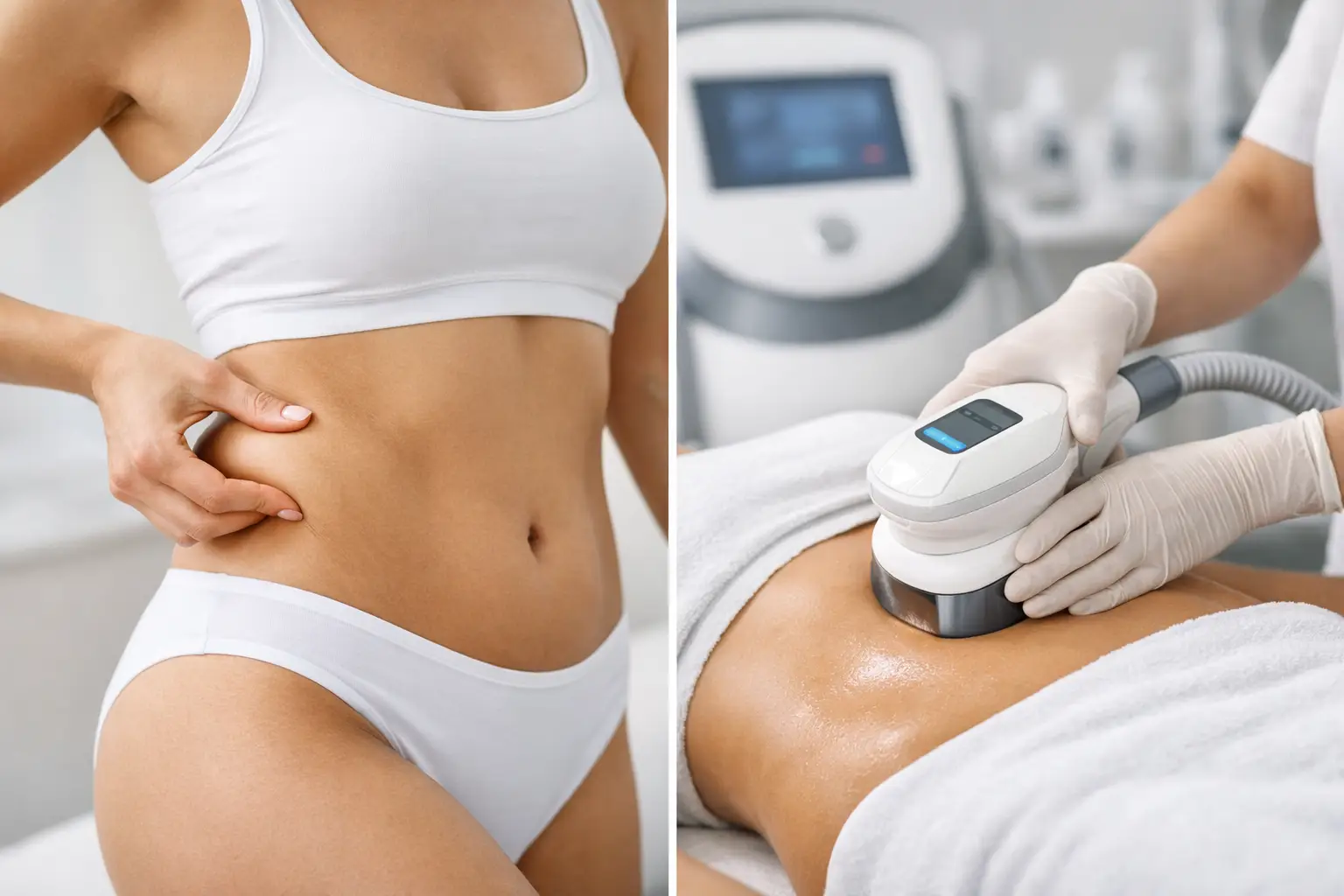
Does fat reduction body contouring work? Learn what it can improve, who sees the best results, and what to expect from non-surgical treatments.
You can be consistent with workouts, eat well, and still feel frustrated by the same small pockets of fat that do not seem to move. That is usually the moment people start asking, does fat reduction body contouring work? The short answer is yes, for the right concern, the right candidate, and the right treatment plan. The more useful answer is that body contouring is not a weight-loss shortcut. It is a precision treatment designed to refine shape, reduce stubborn fat, and in many cases improve skin tone where lifestyle changes alone have limits.
That distinction matters. Many people expect dramatic surgical-level change from a non-surgical treatment, then feel disappointed when the result is more sculpted than drastic. When expectations are aligned, body contouring can be one of the most satisfying treatments in aesthetic medicine because it targets the areas people notice most - the lower abdomen, flanks, thighs, arms, and under the chin - without the downtime and disruption of surgery.
Does fat reduction body contouring work for everyone?
Not in the same way. Non-surgical body contouring works best for people who are already close to their ideal weight and want to improve definition rather than reduce overall body size. If your main goal is to lose a significant amount of weight, these treatments are not the first step. If your goal is to smooth, tighten, and slim localized areas that resist diet and exercise, results are often very worthwhile.
A good consultation should assess more than the number on the scale. It should look at fat thickness, skin quality, cellulite, muscle tone, lifestyle, and whether the concern is truly fat or partly loose skin. That is where personalized planning makes a difference. Two people with the same “stomach fat” concern may need very different approaches depending on whether the issue is pinchable fat, postpartum laxity, bloating, or weakened muscle tone.
What body contouring actually does
Body contouring is an umbrella term, and that is where confusion often begins. Some technologies are designed to reduce fat cells. Others tighten skin, improve cellulite, stimulate collagen, or enhance muscle definition. The best outcomes often come from combining these effects instead of treating every body concern as if it were only about fat.
Fat reduction devices typically work by heating or cooling fat cells to the point that the body gradually clears them over time. You do not walk out looking instantly smaller. Results build over weeks as the body processes the targeted cells. That delayed timeline is normal, not a sign that nothing happened.
Radiofrequency and ultrasound-based treatments can also improve contour by tightening the skin and supporting collagen remodeling. This is especially important in areas where reducing fat alone might leave the skin looking less firm. Cellulite-focused technologies address the fibrous bands and texture changes that create dimpling, which is a separate issue from body fat.
Why some people love their results and others do not
The biggest factor is expectations. Patients who understand that non-surgical contouring creates visible refinement tend to be very pleased. Patients expecting the equivalent of liposuction from a lunch-break procedure usually are not.
The second factor is treatment selection. If someone has mild lower abdominal fullness and good skin elasticity, fat reduction may be enough. If they also have skin laxity, treating fat alone may not create the polished result they want. If cellulite is the main complaint, a fat-focused device may miss the real issue completely.
The third factor is consistency. Many body contouring plans involve a series of sessions, not a single appointment. Skipping sessions or stopping too early can reduce the overall effect. Maintenance matters too, because while treated fat cells are reduced, remaining fat cells can still enlarge with weight gain.
How noticeable are the results?
That depends on the area being treated, the amount of excess fat, and the technology used. In the best cases, clothing fits better, the waistline looks cleaner, and the body appears more balanced from multiple angles. The change is usually noticeable without looking obvious or overdone, which is exactly what many patients want.
Results are rarely dramatic after one session unless the treatment also has a tightening or depuffing effect that creates early visible improvement. Most fat reduction treatments unfold gradually. This can actually be an advantage for clients who prefer subtle, elegant enhancement rather than a sudden change that attracts questions.
A luxury aesthetic result should look believable. It should feel like you look more toned, more refined, and more confident, not like you had your body altered overnight.
Does fat reduction body contouring work better than diet and exercise?
It does something different. Diet and exercise reduce overall body fat and improve health. Body contouring addresses localized fat and contour irregularities that may remain even when you are doing everything right. One is not a replacement for the other.
This is why medically guided clinics often position body contouring as a complement to a healthy lifestyle rather than an alternative. If a patient continues the habits that brought them close to their goals, treatment can sharpen and enhance the result. If they expect body contouring to cancel out a sedentary lifestyle, the outcome will be limited.
In other words, body contouring works best when your foundation is already strong. Think of it as finishing work, not the first draft.
The treatment areas that respond well
Some zones tend to respond better than others. The lower abdomen and flanks are among the most popular because they often hold stubborn fat despite disciplined routines. Outer thighs, inner thighs, upper arms, and submental fullness under the chin can also respond well when the fat is localized and the skin quality is reasonable.
Areas with significant laxity may need a combined strategy. For example, if the abdomen has mild fat with loose skin after weight loss or pregnancy, a treatment plan that includes skin tightening may create a much better result than fat reduction alone. This is where advanced platforms and combination protocols can elevate the final outcome.
What are the limits of non-surgical contouring?
This is the part many clinics gloss over, but it matters. Non-surgical body contouring cannot remove large volumes of fat, repair severe skin laxity, or recreate the dramatic transformation of surgery. It also cannot out-treat ongoing habits that cause steady weight gain.
There is also biology to consider. Some bodies respond quickly. Others respond more slowly or need more sessions. Hormonal changes, age, baseline metabolism, and tissue quality all influence the pace and visibility of results.
That does not make the treatment ineffective. It means the best outcomes come from honest assessment, appropriate technology, and a plan tailored to the body in front of you.
How to tell if you are a good candidate
You are likely a strong candidate if you have stubborn pockets of fat, stable weight, realistic expectations, and a desire for visible improvement without surgery or downtime. You may be an even better candidate if your concern is not only fat, but also mild skin laxity or cellulite that can be treated in a layered way.
You may not be the ideal candidate if you are seeking major weight loss, have very loose skin, or want a one-time treatment with instant dramatic change. In those cases, a reputable clinic should tell you clearly what non-surgical contouring can and cannot achieve.
That honesty is part of luxury care. Premium treatment is not about saying yes to everything. It is about recommending what will genuinely move the needle.
Why provider expertise matters as much as the device
Even the most advanced technology depends on correct patient selection and treatment design. A medically supervised clinic should evaluate your body composition, map the treatment area carefully, and build a protocol around your goals instead of offering the same package to every patient.
This is especially true when combining fat reduction with skin tightening or cellulite treatment. The order of treatments, spacing between sessions, and intensity settings all affect the outcome. In a high-standard aesthetic setting such as Fit4You Polyclinic, that personalized approach is what turns technology into a result you can actually see and feel.
So, does it work?
Yes, fat reduction body contouring works when the goal is targeted shaping, not total transformation. It works best for people who are already doing many things right and want expert help with the last layer - the areas that resist effort, the texture that dulls a polished silhouette, the softness that hides natural definition.
The smartest approach is not to ask whether body contouring works in general. It is to ask whether the right treatment will work for your body, your concern, and your expectations. When those three align, the result can feel less like a cosmetic fix and more like your best shape finally coming into focus.
If you are considering treatment, look for a clinic that treats body contouring as a tailored medical-aesthetic plan, not a one-size-fits-all promise. The right recommendation should leave you feeling informed, confident, and excited about what is realistically possible.
Interested in this treatment?
Book a free consultation with our specialists at Fit4You Polyclinic Dubai.
Book Free Consultation