

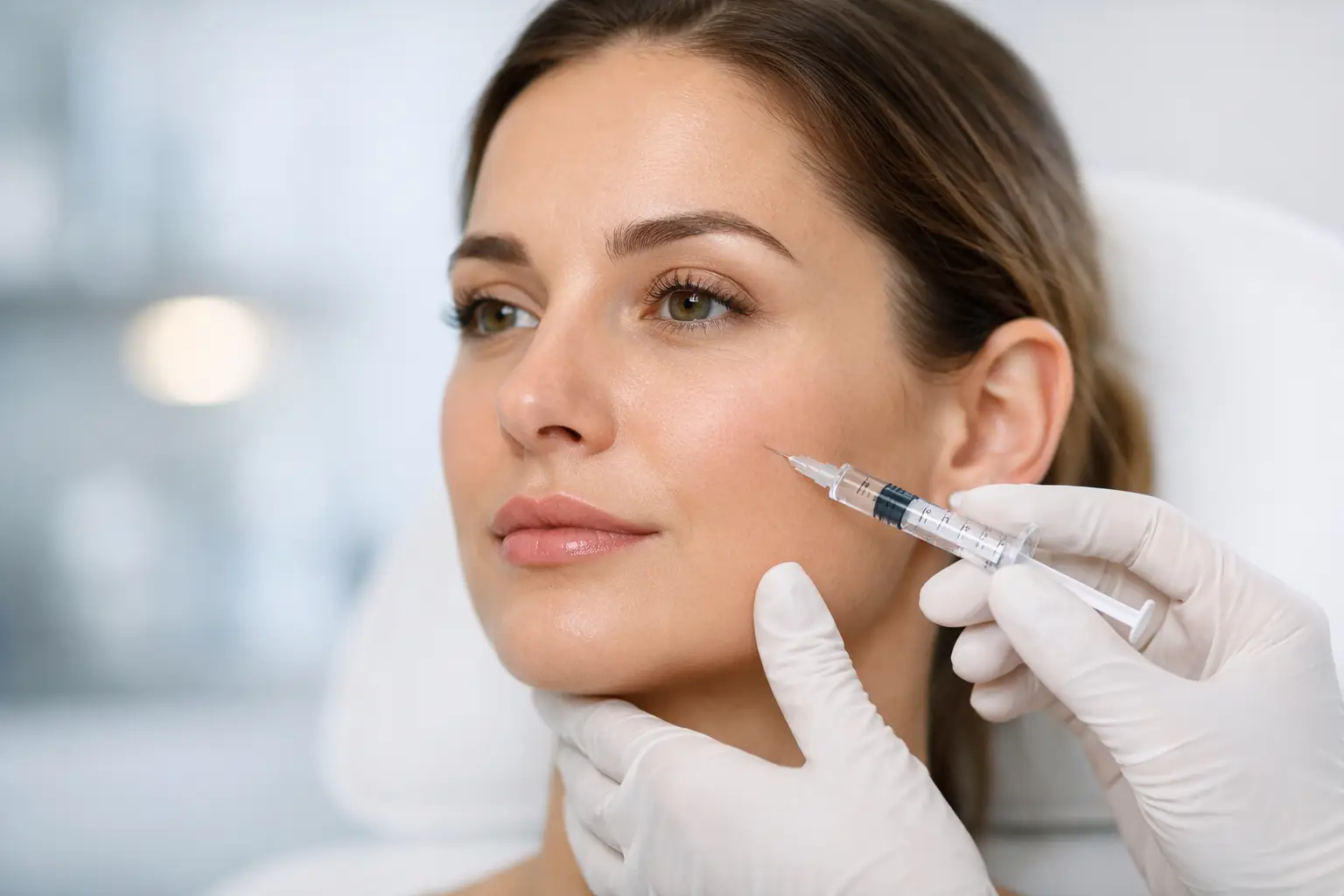
Can fillers correct asymmetry? Learn how targeted dermal filler can refine facial balance, what results to expect, and when another option is appropriate.
A selfie taken under overhead lighting can make one cheek look flatter, one lip side look higher, or one jawline appear less defined than the other. The question, can fillers correct asymmetry, has a reassuring but nuanced answer: often, yes. Thoughtfully placed dermal filler can soften visible imbalances and create a more harmonious facial impression without surgery. It cannot, however, make a naturally asymmetrical face perfectly identical on both sides - nor should it try to.
At a premium aesthetic clinic, the goal is refinement rather than replication. A skilled injector assesses the face in motion, at rest, and from multiple angles to decide whether strategic volume can bring features into better balance while preserving what makes you look like yourself.
Can Fillers Correct Facial Asymmetry?
Dermal fillers can improve asymmetry caused by uneven volume, differences in contour, or age-related facial changes. Most fillers used for contouring are hyaluronic acid-based gels, selected in different consistencies depending on the treatment area. A softer formula may suit delicate lip refinement, while a more supportive filler may be chosen to enhance a cheek, chin, or jawline.
The treatment works by adding measured volume to the side that needs more support or projection. For example, a subtly flatter cheek can be elevated to improve balance with the opposite side. A chin that sits slightly off-center may benefit from precise contouring that improves the relationship between the lower face, lips, and jawline. In other cases, restoring volume to a hollow temple or under-eye area makes an asymmetry appear far less noticeable.
The key word is improve. Facial asymmetry is normal. Nearly every face has small differences in brow height, cheek fullness, eye shape, lip position, or jaw angle. Fillers are highly effective when the concern is volume-based, but they are not a universal correction for structural, muscular, or dental asymmetry.
Where Filler Can Make the Biggest Difference
The best candidates are people whose asymmetry is mild to moderate and visible mainly through contour or volume. Treatment is always individual, but certain areas respond particularly well.
Cheeks and Midface
One cheek may have less projection due to genetics, weight changes, or gradual volume loss. Cheek filler can restore support and create a more even transition from the under-eye area to the midface. Because the cheeks influence the whole facial framework, a small adjustment here can make the eyes, smile, and jawline appear more balanced.
Lips
Lip asymmetry can involve uneven volume, an imbalanced cupid’s bow, or one side that lifts differently when smiling. Filler may create a more even outline and improve symmetry at rest. Yet lip movement matters as much as lip shape. An experienced injector avoids overfilling in pursuit of perfect stillness, which can leave lips looking heavy or unnatural when you speak or smile.
Chin and Jawline
A recessed, narrow, or slightly uneven chin can change the apparent balance of the lower face. Chin filler may improve central projection and create a cleaner profile, while jawline filler can enhance contour where one side lacks definition. These treatments are especially popular for clients seeking a polished, camera-ready profile with minimal downtime.
Temples, Under-Eyes, and Smile Lines
Subtle hollowing around the temples or under-eye area can create shadowing that makes one side of the face look more tired or sunken. In the right candidate, carefully selected filler can restore continuity and soften this difference. These are advanced areas, so treatment should be performed only after a detailed facial assessment and discussion of suitability.
When Fillers May Not Be the Right Answer
Filler is not the answer to every asymmetry, and an ethical consultation should make that clear. If the imbalance comes primarily from bone structure, a significant bite issue, jaw joint concerns, nerve-related weakness, or previous trauma, dermal filler may offer only limited visual improvement. It may also be inappropriate if there is active skin inflammation, infection, certain medical conditions, or a history that requires further assessment.
Muscle activity can also be the main factor. A brow that sits higher, a smile that pulls more strongly to one side, or a jaw that appears broader from clenching may respond better to a neuromodulator treatment rather than added volume. Some clients benefit from a combination approach, such as relaxing an overactive muscle and then using filler to restore proportion.
For skin laxity rather than lost volume, skin-tightening treatments may create a more suitable improvement. The most elegant result does not come from adding filler everywhere. It comes from identifying the actual cause of the imbalance and selecting the treatment that respects your facial anatomy.
What a Personalized Assessment Should Include
A quality consultation is more than choosing a syringe and marking an injection point. Your specialist should ask what you notice, when you first saw the asymmetry, whether it has changed, and what kind of result feels natural to you. They should also assess facial proportions from the front, side, and three-quarter view.
Photos can be helpful, but they should not be the only reference. Camera lenses, lighting, facial expressions, and even the way you hold your head can exaggerate differences. A professional assessment considers skin quality, tissue support, muscle movement, existing volume, and the way your features work together.
At Fit4You Polyclinic, personalized planning is central to the aesthetic experience. Rather than applying a one-size-fits-all technique, certified specialists create a treatment plan around your anatomy, goals, and comfort level. This measured approach is essential when treating asymmetry, where millimeters can influence the final result.
What Results and Recovery Look Like
Many filler results are visible immediately, though the final appearance develops as early swelling settles. Mild redness, tenderness, bruising, or swelling can occur, particularly in sensitive areas such as the lips. Most clients return to their usual routine quickly, but it is wise to schedule treatment ahead of an important event rather than the day before.
For the first 24 to 48 hours, your provider may advise avoiding strenuous exercise, excessive heat, alcohol, and pressure on the treated area. Do not massage or manipulate the area unless you have been specifically instructed to do so. Follow-up is valuable because balance can be reassessed after the filler has settled, and a conservative refinement can be considered if needed.
How long results last depends on the product used, the placement area, your metabolism, and the amount injected. Lip filler often requires maintenance sooner than structural contouring in the chin or cheeks. Results can commonly last several months to well over a year, but no injector should promise an exact timeline.
Safety Matters More Than a Perfect Match
Dermal fillers are medical treatments, not beauty accessories. While generally well tolerated when appropriately performed, they carry risks including bruising, swelling, lumps, infection, delayed reactions, and, rarely, vascular complications. This is why an injector’s training, anatomy knowledge, product selection, and emergency preparedness matter profoundly.
Choose a medically supervised clinic that uses approved products and begins with a proper consultation. Be open about prior filler, allergies, medications, dental work, autoimmune conditions, and any history of cold sores if treating the lips. A transparent medical conversation protects both your result and your safety.
There is also a visual safety principle: more filler is not always better. Overcorrection can trade a small natural difference for a result that looks heavy, tense, or disproportionate. Conservative treatment, followed by reassessment, is often the most sophisticated route to a beautiful outcome.
A More Balanced Look, Still Entirely Yours
The most successful asymmetry treatment is rarely obvious to anyone else. You may simply notice that your profile feels more refined, your smile looks more even in photographs, or your makeup sits better across both sides of your face. When filler is chosen for the right reason and placed with restraint, it can enhance balance without erasing the character that makes your face distinct.
If an asymmetry has been affecting your confidence, begin with an in-person assessment rather than a fixed idea of what you need. The right plan may involve filler, another injectable treatment, advanced skin technology, or the confidence of knowing your natural asymmetry is both normal and beautifully yours.
Interested in this treatment?
Book a free consultation with our specialists at Fit4You Polyclinic Dubai.
Book Free Consultation