

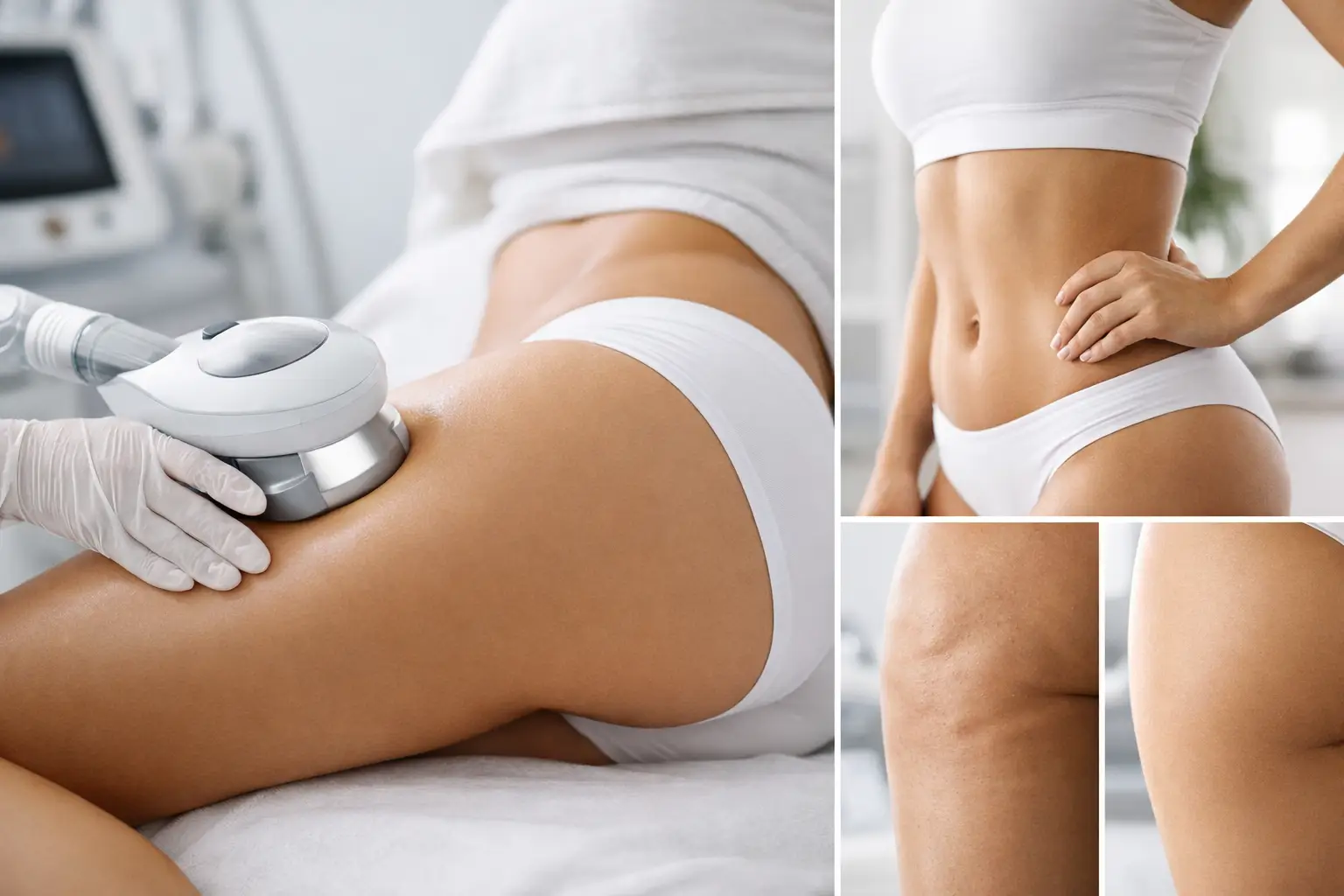
Learn how body sculpting and cellulite reduction work, which treatments suit your goals, and what results to expect from non-surgical options.
You can exercise consistently, eat well, and still notice dimpling on the thighs, softness around the abdomen, or a lack of definition that does not reflect the effort you put in. That is exactly why body sculpting and cellulite reduction have become such sought-after treatments. They address concerns that lifestyle alone often cannot fully change, especially when the goal is smoother skin, better contour, and visible refinement without surgery.
For many people, cellulite is not a sign of poor health or lack of discipline. It is a structural issue involving fat cells, connective tissue, circulation, skin thickness, and genetics. Body contour concerns are just as individual. One person may want to reduce fullness in the flanks, while another wants firmer skin on the arms or a smoother texture across the thighs. The best treatment plan starts by recognizing that these are different concerns, even when they appear in the same area.
What body sculpting and cellulite reduction actually target
Although the two are often discussed together, they are not identical. Body sculpting focuses on shaping and contouring. That may mean reducing stubborn fat, improving skin tightness, or creating a more defined silhouette in areas such as the abdomen, thighs, buttocks, upper arms, or waist.
Cellulite reduction is more specific. It addresses the uneven, dimpled appearance that happens when fibrous bands pull down on the skin while fat pushes upward beneath it. This is why someone can be slim and still have cellulite. It is also why weight loss alone does not always smooth the skin.
In practice, the most effective approach often combines both goals. If a patient has mild skin laxity, fluid retention, localized fat, and cellulite in the same zone, a single treatment may help, but a tailored protocol usually produces a better result. This is where medical assessment matters. Treating texture when the main issue is laxity, or focusing only on fat when the real concern is dimpling, can lead to disappointment.
Why non-surgical treatment has become the preferred option
The appeal is easy to understand. Many clients want visible improvement without anesthesia, scars, or weeks away from work and social life. Modern body contouring devices are designed to stimulate change gradually through technologies such as radiofrequency, mechanical massage, acoustic energy, muscle stimulation, or targeted thermal action.
That does not mean every non-surgical treatment does the same thing. Some are better for tightening. Some are better for reducing circumference. Others are specifically chosen for cellulite and skin texture. The advantage of a clinic-based plan is precision. Instead of selecting a trend, you select the technology that matches the tissue concern.
This is also where expectations need to stay realistic. Non-surgical body treatments can produce impressive refinement, but they are not a replacement for major weight loss or surgical body lifting. They are best for clients who are close to their ideal shape and want to improve what remains resistant.
Treatments commonly used for body sculpting and cellulite reduction
Radiofrequency-based treatments are widely used because they can address more than one concern at once. By delivering controlled heat into the tissue, they support collagen remodeling, improve skin firmness, and may help reduce the appearance of cellulite over time. For clients with mild laxity and textural irregularity, this can be a strong option.
Mechanical and vibration-based technologies can also play an important role, especially in cellulite-focused plans. These systems work by improving circulation, mobilizing tissue, and helping release the appearance of tight fibrous structures that contribute to dimpling. The result is often smoother-looking skin and better tone, particularly on the thighs and buttocks.
Some platforms combine radiofrequency with targeted massage or other energies to create a more comprehensive effect. This matters because cellulite is rarely caused by one factor alone. When a treatment can address skin quality, circulation, and tissue texture together, results tend to look more natural and more complete.
For clients concerned about stubborn fat as much as cellulite, contouring devices designed for circumference reduction may be added to the plan. In a premium clinical setting, technologies such as Emtone, Alma PrimeX, and Viora V-Form are often selected because they allow a provider to customize treatment according to whether the priority is smoothing, tightening, shaping, or a combination of all three.
Who is a good candidate
The ideal candidate is not defined by size. It is defined by concern, skin condition, and treatment goals. Many excellent candidates are already active, healthy, and maintaining a stable weight. They simply want better contour and smoother skin in areas that do not respond predictably to exercise.
You may be a good candidate if you have mild to moderate cellulite, localized pockets of fat, early skin laxity, or a desire for more definition without surgery. You may be less suitable for certain treatments if you are pregnant, have specific medical conditions, or expect one session to dramatically transform severe laxity or advanced cellulite.
A proper consultation should look beyond the surface. Skin thickness, the degree of dimpling, body composition, and lifestyle all affect the plan. Age also matters, not because treatment is limited to a specific decade, but because collagen quality changes over time. A younger client may respond quickly to tightening and smoothing, while a more mature client may need a broader protocol to get the same polished finish.
What results should you realistically expect
This is where credibility matters more than hype. Most non-surgical body treatments work in a series, not a single appointment. Some people notice early improvement in skin texture or firmness after the first few sessions, but more visible contour changes typically develop gradually as the tissue responds.
Cellulite reduction also tends to be progressive. The skin may look smoother, less creased, and more even, but perfection is not the benchmark. Improvement is. The most satisfying outcomes usually come from clients who want visible refinement rather than an airbrushed illusion.
Maintenance matters too. If you sit for long hours, have fluctuating weight, poor circulation, or naturally thin skin over cellulite-prone areas, the condition can return over time. That does not mean treatment failed. It means the body continues to change, and maintenance sessions help preserve the result.
How to choose the right body sculpting and cellulite reduction plan
A strong treatment plan is never built around a machine alone. It is built around diagnosis. The same area can require different strategies depending on whether the issue is fat, skin laxity, cellulite, or muscle tone.
For example, the outer thighs may benefit from texture-focused treatment if the main concern is dimpling. The abdomen may need contouring and tightening if there is mild looseness after weight change or pregnancy. The upper arms often respond best when firmness is part of the goal, not just size reduction.
This is why personalization is essential in a medically led aesthetic clinic. In a city where standards are high and downtime is rarely convenient, clients want more than a generic package. They want an informed plan, advanced technology, and visible progress that fits their lifestyle. At Fit4You Polyclinic, that level of customization is part of what makes non-surgical aesthetics feel both elevated and reassuring.
How to make your results last longer
Even the most advanced treatment performs better when supported by smart habits. Hydration helps tissue quality and circulation. Strength training can improve overall body tone beneath the skin. Stable weight is one of the biggest factors in keeping contour improvements consistent.
It also helps to think beyond quick fixes. If your body naturally stores fat in the lower body or you are prone to cellulite genetically, ongoing maintenance may be more realistic than expecting a one-time reset. For many clients, that approach feels far more empowering. It replaces frustration with a plan.
There is also a psychological benefit to choosing treatment at the right time. Many people wait until they feel deeply unhappy with an area before seeking help. In reality, earlier treatment for mild cellulite or subtle laxity often produces more elegant results than waiting for the concern to become more advanced.
Body confidence rarely comes from chasing perfection. More often, it comes from looking in the mirror and seeing a shape that feels aligned with the care you already invest in yourself. The right treatment can help close that gap, with results that look refined, credible, and entirely your own.
Interested in this treatment?
Book a free consultation with our specialists at Fit4You Polyclinic Dubai.
Book Free Consultation