

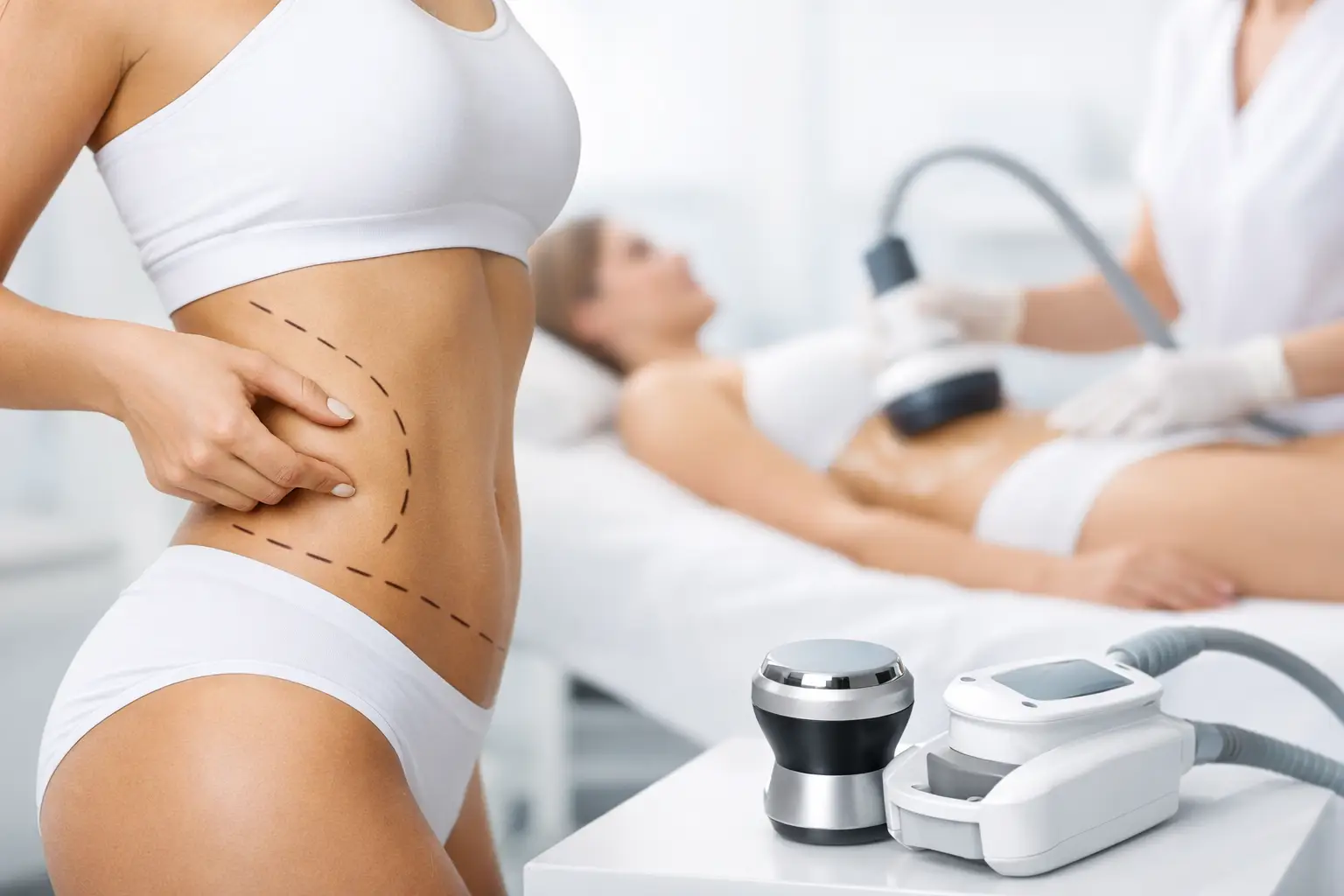
Learn how body contouring and fat reduction work, who they suit, and what results to expect from modern non-surgical treatments.
A slimmer waist after a few gym sessions is satisfying. A stubborn lower belly, soft inner thighs, or cellulite that stays no matter how disciplined you are can feel like a different story. That is where body contouring and fat reduction become relevant - not as a shortcut, but as a more precise way to address areas that often resist even a healthy lifestyle.
For many patients, the real question is not whether these treatments exist. It is which technology fits their concern, whether the result will look natural, and how to choose a medically credible clinic in a market full of bold claims. In aesthetic medicine, details matter. The right treatment plan can refine shape, improve skin quality, and support confidence. The wrong one can lead to disappointment simply because the expectation was never realistic.
What body contouring and fat reduction actually mean
These terms are often used together, but they are not identical. Fat reduction focuses on decreasing localized pockets of fat. Body contouring is broader. It can include fat reduction, but it also addresses skin laxity, cellulite, and the overall silhouette of an area such as the abdomen, thighs, arms, or flanks.
That distinction matters because two people may both say they want a more sculpted midsection while needing very different treatments. One may have a small layer of pinchable fat with good skin elasticity. Another may be bothered more by loose skin after weight loss or pregnancy. Treating both with the same approach rarely produces the same level of satisfaction.
The best non-surgical plans start with diagnosis, not just device selection. A qualified practitioner looks at fat thickness, skin quality, muscle tone, cellulite, age-related changes, and lifestyle before recommending anything.
Why non-surgical body contouring and fat reduction appeal to busy adults
For image-conscious professionals and wellness-minded clients, surgery is not always the desired path. Many want visible change without scars, anesthesia, or a long recovery period. That is exactly why modern device-based treatments have gained so much attention.
Non-surgical body contouring can fit around work, travel, social commitments, and exercise routines more easily than traditional surgery. In many cases, patients return to normal activity the same day or shortly after. That convenience is a major advantage, but it should not be confused with instant transformation. Results usually build over a series of sessions or over several weeks as the body responds to treatment.
This slower progression is often a benefit for patients who want to look better without an obvious sudden change. The outcome tends to feel polished rather than dramatic, especially when the treatment plan is personalized.
The main concerns these treatments can improve
Most people seeking body contouring are not trying to become unrecognizable. They usually want refinement. Common treatment goals include reducing fullness in the abdomen, waist, back, thighs, or arms, smoothing the appearance of cellulite, tightening mildly loose skin, and improving definition in areas that look soft or uneven.
Some technologies are designed to reduce fat cells. Others work by heating tissue, stimulating collagen, improving circulation, or addressing the fibrous bands that contribute to cellulite. A few platforms combine more than one mechanism, which is why combination treatments are increasingly popular in premium aesthetic clinics.
This is also where personalized consultation becomes essential. If cellulite is the dominant issue, a fat-focused treatment alone may not be enough. If skin laxity is significant, reducing volume without tightening support can sometimes make an area look less firm rather than more sculpted.
How treatment technologies differ
Not all body contouring devices do the same job, even if the marketing sounds similar. Radiofrequency-based treatments are often chosen for skin tightening and cellulite improvement because they heat tissue in a controlled way to stimulate collagen and improve texture. Ultrasound and other energy-based platforms may be used to target fat more directly. Some devices combine heat with massage, suction, or mechanical stimulation to improve contour and skin smoothness.
There are also technologies designed for muscle stimulation, which can enhance tone in specific areas. These can be useful for patients who want a firmer look, but they are not a replacement for treating actual fat deposits or loose skin. The most effective plans often combine modalities rather than relying on a single machine to solve every concern.
At a medically supervised clinic, technology should never be presented as magic. FDA-cleared platforms, experienced practitioners, and a tailored protocol matter more than trends. The machine is only one part of the outcome.
Who is a good candidate for body contouring and fat reduction
The strongest candidates are usually close to their ideal weight but bothered by specific areas that do not respond the way they want. They may exercise regularly, eat well, and still notice fullness at the waist, cellulite on the thighs, or mild skin laxity along the abdomen or arms.
These treatments are generally best for shaping, not major weight loss. If someone expects to lose a large amount of weight from body contouring alone, they are likely to be disappointed. On the other hand, a patient at a stable weight with clear, localized concerns often sees the most satisfying improvement.
Skin quality also influences results. Younger patients or those with better elasticity may notice more visible contour improvement after fat reduction because the skin can contract more effectively. Patients with moderate laxity may need a treatment plan that includes tightening-focused technology as well.
What results really look like
This is where honesty matters. Good body contouring should make clothing fit better, improve proportion, and create a smoother, firmer appearance. It should not make a patient look surgically altered or dramatically different overnight.
Visible results depend on the treatment used, the area treated, and the body’s natural response. Some patients see early changes after a few sessions. Others notice the full effect gradually over several weeks or months. Cellulite and skin quality often improve progressively rather than all at once.
Maintenance matters too. If a patient gains weight after treatment, the contour can change again. If collagen support declines with age, skin firmness may soften over time. That does not mean the treatment failed. It means the body continues to change, which is why long-term planning often delivers the most elegant outcomes.
Why consultation quality matters more than marketing claims
Luxury in aesthetics should never mean vague promises. It should mean advanced care, careful assessment, and a treatment strategy designed around the individual. A premium clinic experience includes understanding not just what concerns you, but why the concern looks the way it does.
That is especially important in body contouring because many aesthetic issues overlap. A patient may think they need fat reduction when the main issue is skin laxity. Another may focus on cellulite when muscle tone and fluid retention are also contributing to the appearance. Without a proper assessment, even sophisticated technology can be misapplied.
At Fit4You Polyclinic, this personalized approach is central to achieving visible, natural-looking results. The value is not simply access to advanced devices. It is the medical judgment behind when, where, and how to use them.
How to choose the right clinic for body contouring and fat reduction
Credentials should come first. Look for a medically supervised setting, qualified practitioners, and technologies with a strong safety profile. Beyond that, ask whether the clinic explains trade-offs clearly. A trustworthy provider will tell you if your goals require a series of treatments, if maintenance is likely, or if a non-surgical route may only deliver moderate improvement.
It also helps to look for a clinic that offers more than one body technology. When only one device is available, every concern may start to look like a candidate for that device. A broader treatment portfolio allows a more accurate match between concern and solution.
The consultation should feel precise, not rushed. You should understand what is being treated, how many sessions may be needed, what the downtime will be, and what kind of result is realistic for your body.
The smartest way to think about these treatments
Body contouring works best when it is approached as refinement rather than rescue. It is not about chasing perfection. It is about improving proportion, smoothing what bothers you, and helping your outward appearance align more closely with the effort you already put into your health and self-care.
For the right patient, modern fat reduction and contouring technologies can deliver a meaningful difference - one that feels subtle, polished, and entirely your own. The most satisfying results usually come from a simple formula: clear goals, expert guidance, and a plan built for your body rather than someone else’s before-and-after photo.
If you are considering treatment, start with the question that matters most: not what is the most popular device, but what combination of expertise, technology, and personalization will create the most believable result for you.
Interested in this treatment?
Book a free consultation with our specialists at Fit4You Polyclinic Dubai.
Book Free Consultation