

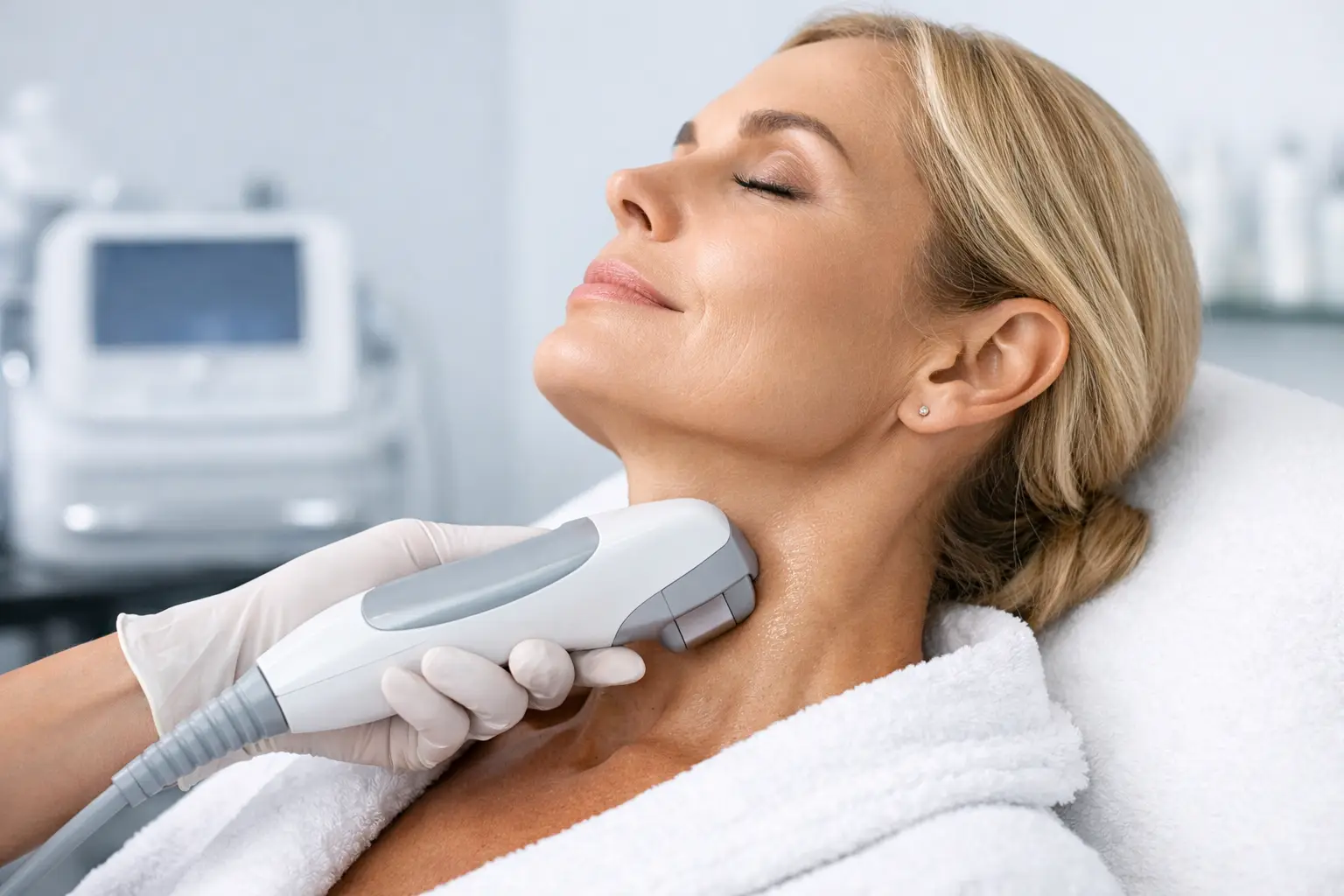
Discover the best treatment for neck tightening, from ultrasound and RF to injectables, with expert insight on what works best.
The neck is often where early skin laxity shows up first - sometimes even before the face. You may still look rested and polished overall, yet loose skin under the chin, horizontal neck lines, or a softer jawline can quietly change your profile. If you are searching for the best treatment for neck tightening, the real answer is not one universal procedure. It depends on what is causing the change, how much laxity is present, and how quickly you want to see improvement.
In a premium aesthetic setting, neck rejuvenation is approached with more precision than many people expect. The skin on the neck is thinner, movement is constant, and fat, collagen loss, muscle activity, and bone structure can all influence the result. That is why the most effective plan is usually tailored rather than copied from someone else’s treatment menu.
What is the best treatment for neck tightening?
For mild to moderate laxity, the best treatment for neck tightening is often a non-surgical energy-based procedure that stimulates collagen and firms tissue over time. Ultrasound-based treatments such as Sofwave are especially attractive for patients who want visible improvement without surgery or extended downtime. Radiofrequency-based treatments can also be highly effective, particularly when skin looseness is paired with textural changes or early loss of definition.
That said, not every neck concern is truly a skin-tightening issue. Some patients need collagen stimulation, others need improved skin quality, and some need a combination approach that addresses fat under the chin, crepey texture, and volume loss along the jawline. A neck that looks "loose" can actually be affected by several layers at once.
Why neck aging is harder to treat than facial aging
Neck skin has fewer oil glands and tends to be more delicate than facial skin. It is also exposed to sun, posture-related folding, and repetitive movement. Over time, collagen and elastin decline, which leads to crepiness, sagging, and a less defined transition between the face and neck.
The challenge is that the neck does not usually respond well to a one-size-fits-all fix. A treatment that works beautifully for fine lines may not lift lax skin. A device that tightens may not fully address etched horizontal bands. Injectables can improve hydration and skin quality, but they do not replace the structural effect of a tightening device when laxity is the main issue.
This is where expert assessment matters. The best outcomes come from identifying whether your concern is primarily skin laxity, poor texture, excess fullness, collagen depletion, or a combination of all four.
Best treatment for neck tightening by concern
If your neck skin feels loose but not heavy
When the skin is starting to soften, but there is not a significant amount of excess fat or severe sagging, ultrasound skin tightening is often a strong first choice. Sofwave, for example, uses ultrasound energy to stimulate new collagen in the mid-dermis, helping the skin become firmer over time.
This option works well for patients who want gradual, natural-looking improvement. It is especially appealing if you are not ready for surgery and want minimal interruption to your routine. Results do take time, which is the trade-off. You are investing in collagen remodeling, not an instant pull.
If you have crepey texture and mild laxity
Radiofrequency treatments can be excellent for necks that look thin, creased, or crepey. These treatments heat tissue in a controlled way to encourage tightening and improve skin quality. In the right patient, they can make the neck look smoother, firmer, and more refined.
The advantage of radiofrequency is versatility. It can address both firmness and texture, and it often fits well into a treatment plan for patients who want progressive improvement. The limitation is that very advanced laxity may need more than RF alone.
If you have neck lines and poor skin quality
Horizontal lines on the neck are common, even in younger patients. If the skin also looks dehydrated or thin, injectable biostimulators and skin boosters may be part of the answer. Profhilo is often chosen to improve hydration and skin elasticity, while collagen stimulators such as Sculptra may support firmer, more resilient skin over time.
These treatments are not traditional skin-tightening procedures, but they can dramatically improve the overall appearance of the neck when collagen loss is part of the problem. They are often best used as part of a combination plan rather than as a stand-alone fix for noticeable sagging.
If fullness under the chin is making the neck look less firm
Sometimes the issue is not only loose skin. Submental fullness can blur the jawline and create the impression of a heavier, less defined neck. In those cases, body contouring or fat-reduction strategies may be recommended alongside tightening treatments.
This is one of the most overlooked reasons people feel disappointed by neck treatments. If a device tightens the skin but the area still carries excess fullness, the result may be subtle. Treating the right layer changes everything.
The most effective non-surgical options
Aesthetic medicine has moved well beyond creams and temporary surface fixes. Today, the strongest non-surgical neck options usually fall into three categories: ultrasound tightening, radiofrequency tightening, and injectable collagen support.
Ultrasound treatments are ideal for patients focused on lift and firmness. They target deeper layers and are often chosen when skin laxity is the headline concern. Radiofrequency is excellent when the neck needs both tightening and a smoother finish. Injectables add value when the skin has become thinner, drier, or visibly depleted.
In a medically led clinic, these modalities are often layered thoughtfully rather than used in isolation. That is usually where the most elegant results happen - not overtreated, not artificial, just more defined and refreshed.
How to choose the best treatment for neck tightening
The best treatment for neck tightening should match your anatomy, not just your goal. Age matters less than tissue quality. A patient in their thirties with early laxity may do very well with one collagen-stimulating device and maintenance. A patient in their late forties or fifties may need a more comprehensive plan that combines energy-based treatment with injectables or contouring support.
Downtime is another deciding factor. Many professionals want results that fit around a full schedule, which makes non-surgical options particularly attractive. If that is your priority, be honest about expectations. Non-invasive treatments can produce impressive refinement, but they work best when there is still enough skin elasticity to respond.
Budget also plays a role, and this is where value matters more than the lowest price. A cheaper treatment that is not suited to your concern usually becomes more expensive in the long run. The right protocol, performed with the right technology by qualified practitioners, is what creates visible return on your investment.
What results can you realistically expect?
Good neck tightening should not make you look done. It should make your profile look cleaner, your skin look firmer, and your lower face appear more balanced. Most patients notice a gradual improvement in skin texture, definition, and tightness rather than a dramatic overnight change.
This is especially true with collagen-based treatments. The body needs time to build new support within the skin. Some patients start to notice improvement within weeks, but the full effect often develops over several months. Maintenance may also be recommended, because the neck continues to age just like the rest of the body.
The most satisfying results tend to come from realistic planning. Mild to moderate laxity responds far better than severe skin excess. If sagging is advanced, a non-surgical plan can still improve the area, but it may not replicate the result of surgery. A credible consultation should explain that clearly.
Why personalized treatment plans outperform trend-based choices
Popular treatments rise fast on social media, but the neck is not an area to treat based on hype. Two people with similar-looking concerns may need completely different solutions. One may benefit most from Sofwave, while another may see a better outcome from radiofrequency paired with a skin booster.
At a clinic level, this is where experience becomes visible. The consultation should look at the jawline, the chin, skin density, movement patterns, and whether the issue is laxity, fat, lines, or all of the above. A personalized plan feels more refined because it is more refined.
For patients who expect both luxury and clinical credibility, that combination matters. The best aesthetic results are not simply about using advanced technology. They come from using the right technology in the right sequence for the right patient.
If you have been wondering whether your neck needs tightening, hydration, contouring, or collagen support, you are already asking the right question. The smartest next step is not choosing a treatment name. It is choosing an expert assessment that sees the full picture - because a beautiful neck result is never just tighter skin, but a more confident silhouette overall.
Interested in this treatment?
Book a free consultation with our specialists at Fit4You Polyclinic Dubai.
Book Free Consultation